
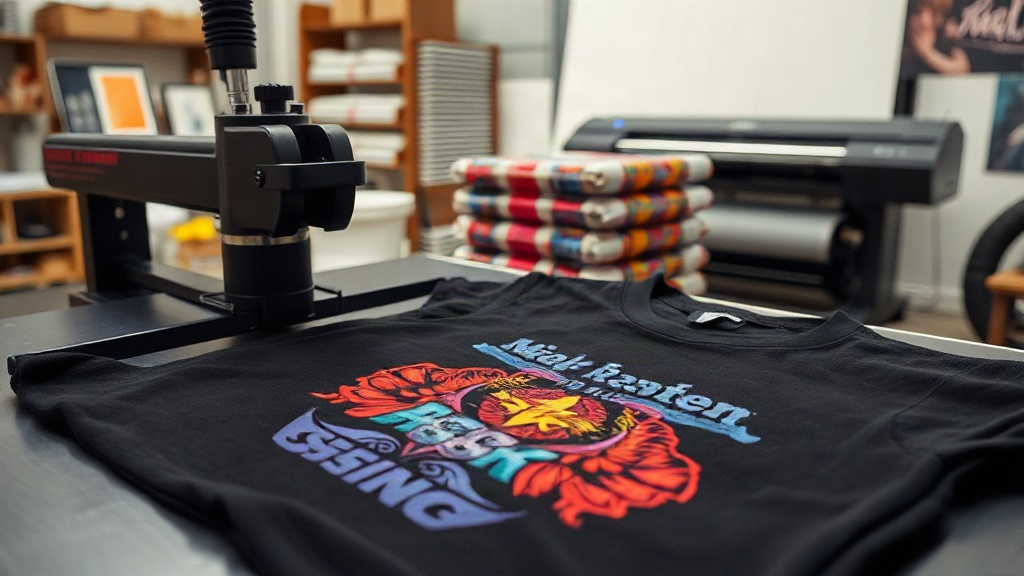
In the world of custom apparel, DTF transfers have emerged as a game-changer. Whether you're a small business owner, a hobbyist, or a DIY enthusiast, understanding this printing method can unlock endless creative possibilities. Unlike traditional techniques, DTF transfers offer unmatched versatility and vibrant results on a wide range of fabrics. In this guide, we'll dive deep into what DTF transfers are, how they work, and why they might be the perfect solution for your next project.
What Are DTF Transfers?
DTF stands for Direct to Film. It's a printing process where your design is printed onto a special film, coated with a powder adhesive, and then heat-pressed onto the fabric. This method eliminates the need for weeding or cutting, making it faster and more efficient than vinyl. The result is a soft, stretchable print that bonds permanently to the material. DTF transfers are compatible with cotton, polyester, blends, and even tricky fabrics like nylon and leather. That versatility sets them apart from other decoration methods.
How DTF Transfers Work: Step by Step
Understanding the process helps you appreciate the magic behind DTF transfers. Here's a breakdown of the key steps:
- Design Preparation: Your artwork is prepared digitally, with colors adjusted for optimal output.
- Printing: A specialized printer lays down CMYK and white ink onto a PET film. The white ink acts as a base, allowing the design to show up on dark garments.
- Powdering: While the ink is still wet, a hot-melt adhesive powder is sprinkled over it. Excess powder is shaken off.
- Curing: The film passes through a heat source to melt the powder, creating a dry, tacky surface.
- Transfer: The film is placed on the fabric and heat-pressed. After cooling, the film is peeled away, leaving the design bonded to the garment.
Each step requires precision, but the overall process is straightforward once you get the hang of it.
Why Choose DTF Transfers Over Other Methods?
If you're comparing decoration options, DTF transfers shine in several areas. Here's why they might be your best bet:
- No Weeding Required: Say goodbye to the tedious task of cutting and peeling vinyl. DTF saves hours of labor.
- Full-Color Complexity: Unlike heat transfer vinyl (HTV), DTF can reproduce photorealistic images, gradients, and fine details with ease.
- Fabric Freedom: Works on cotton, polyester, blends, and even treated nylon. No need to stock multiple product types.
- Durability: When applied correctly, DTF prints withstand dozens of washes without cracking or fading.
- Stretchability: The print moves with the fabric, making it ideal for activewear and stretchy materials.
- Cost-Effective for Short Runs: No minimum order quantities, so you can produce one-offs or small batches profitably.
These advantages make DTF transfers a favorite among custom apparel creators.
Applications of DTF Transfers
From t-shirts to tote bags, DTF transfers open up a world of possibilities. Here are some popular applications:
- Custom T-Shirts: Create vibrant, detailed designs for personal use or resale.
- Sportswear: The stretchable nature of DTF makes it perfect for jerseys, leggings, and performance gear.
- Corporate Apparel: Brand uniforms with logos that won't fade or peel.
- Promotional Items: Add logos to bags, hats, and more for events and giveaways.
- Home Decor: Personalize pillows, aprons, and other fabric items.
The only limit is your imagination.
How to Apply DTF Transfers: A Step-by-Step Guide
Applying DTF transfers is a breeze if you follow these steps:
- Preheat Your Heat Press: Set the temperature to around 300-325°F (150-160°C) and preheat the garment for a few seconds to remove moisture.
- Position the Transfer: Place the DTF film on the fabric with the printed side facing up.
- Press: Apply medium to firm pressure for 10-15 seconds.
- Cool and Peel: Wait for the transfer to cool completely (cold peel) before removing the film. This ensures the adhesive sets properly.
- Post-Press (Optional): For extra durability, cover with a Teflon sheet and press again for a few seconds.
Always test on a scrap piece first to dial in your settings.
Common Mistakes to Avoid with DTF Transfers
Even though DTF is forgiving, some pitfalls can ruin your results. Watch out for these:
- Insufficient Pressure: Without enough pressure, the transfer won't adhere properly.
- Wrong Temperature: Too hot can burn the film; too cold leads to poor bonding.
- Peeling Too Early: Always wait for the transfer to cool. Hot peel can distort the design.
- Ignoring Fabric Type: Some fabrics require lower temperatures. Always check compatibility.
- Poor Storage: Store unused transfers in a cool, dry place to prevent the powder from clumping.
Avoiding these mistakes will save you time and materials.
DTF vs. Other Printing Methods: A Quick Comparison
How does DTF stack up against screen printing, DTG, and vinyl? Here's a snapshot:
- Screen Printing: Cheaper for large orders, but setup costs are high and not ideal for complex designs.
- DTG (Direct to Garment): Great for cotton, but limited on dark colors and blends. DTF excels on both.
- Vinyl: Best for simple, one-color designs. DTF handles full-color with ease.
DTF transfers offer a sweet spot of quality, versatility, and cost-effectiveness.
Frequently Asked Questions About DTF Transfers
How long do DTF transfers last?
With proper application and care, DTF transfers can last 50+ washes. Wash garments inside out in cold water and avoid harsh detergents.
Can I use DTF transfers on dark fabrics?
Absolutely! The white ink base makes them ideal for dark colors, ensuring vibrant results.
Do I need a special printer for DTF?
Yes, you need a DTF printer that uses pigment inks and can print white. However, you can also order pre-printed transfers from suppliers.
What's the difference between DTF and DTG?
DTG prints directly onto the garment, while DTF prints onto a film that is then transferred. DTF works on more fabric types and often produces more durable results.
Can I stretch DTF prints?
Yes, DTF prints are stretchable and won't crack when the fabric stretches, making them great for activewear.
With this knowledge, you're ready to dive into the world of DTF transfers. Whether you're creating custom apparel for fun or profit, this technology offers endless possibilities. Happy printing!