
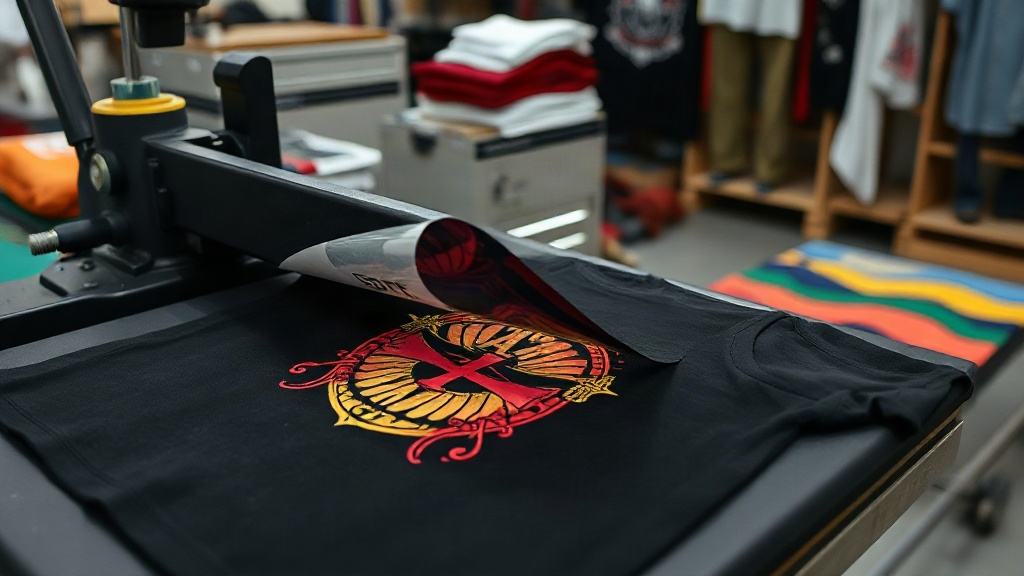
When you first dip your toes into the world of print on demand, the array of printing methods can feel overwhelming. You might have heard about screen printing, direct-to-garment (DTG), sublimation, and more. But there's one technique that's been gaining serious traction among creators and small business owners: DTF printing. Short for Direct-to-Film, DTF is a game-changer for anyone looking to produce high-quality, full-color designs on a wide range of fabrics without the hefty upfront costs. In this guide, we'll walk through what DTF printing is, why it's worth your attention, and how you can leverage it to grow your print-on-demand business.
What Exactly Is DTF Printing?
At its core, DTF printing is a digital printing technology that transfers your design onto a special film, which is then applied to fabric using a heat press. Unlike DTG, which prints directly onto the garment, DTF involves a two-step process: first, your design is printed onto a PET film with a specialized ink, then a powder adhesive is applied, and finally, the film is pressed onto the fabric. This method allows for incredibly detailed, vibrant prints that can adhere to materials like cotton, polyester, blends, and even some non-textiles like leather and canvas. The result? A soft, stretchable, and durable print that withstands repeated washing.
Why DTF Printing Stands Out for Print on Demand
If you're running a print-on-demand store, you're likely looking for ways to offer unique products without holding inventory or investing in expensive equipment. DTF printing fits that model perfectly. Here's why:
- No color limitations: Unlike screen printing, which charges per color, DTF can handle unlimited colors and gradients without extra cost.
- Fabric versatility: You can print on dark colors, light colors, and a variety of fabric types, including 100% cotton, 100% polyester, and blends. This opens up options for hoodies, tote bags, and more.
- Durability: The prints are known for their stretchability and resistance to cracking, peeling, or fading, even after many washes.
- Low minimums: You can produce one-offs or small batches, making it ideal for testing designs or offering personalized items.
- Cost-effective for small runs: While the per-unit cost might be higher than screen printing for large orders, for small to medium quantities, DTF is often more economical.
How DTF Printing Works: A Step-by-Step Overview
Understanding the process helps you appreciate the quality and plan your production. Here's a simplified breakdown:
- Design preparation: Create your artwork in a graphics program. Ensure it's high resolution and mirror-imaged if necessary (check your printer's guidelines).
- Printing: The design is printed onto a special film using a DTF printer with pigment inks. A white ink layer is often applied as a base to make colors pop on dark fabrics.
- Powdering: While the ink is still wet, a thermoplastic powder is sprinkled over the film. The excess is shaken off, leaving powder only on the ink.
- Curing: The film goes through a curing oven or heat press to melt the powder, creating a adhesive layer.
- Transfer: The film is placed on the fabric and pressed with a heat press at a specific temperature and time. After cooling, the film is peeled away, leaving the design bonded to the fabric.
DTF vs. Other Printing Methods: A Quick Comparison
To help you decide if DTF is right for your business, let's compare it to two popular alternatives: DTG and sublimation.
DTF vs. DTG
DTG prints directly onto the garment, which is great for 100% cotton and small details. However, DTG requires pre-treatment, and the colors may not be as vibrant on dark shirts. DTF, on the other hand, works on more fabrics, doesn't require pre-treatment, and produces more consistent results on dark colors. DTF prints also tend to be more durable and stretchable.
DTF vs. Sublimation
Sublimation is excellent for polyester and light-colored fabrics, but it doesn't work well on cotton and requires special coatings. The colors are embedded in the fabric, so they never crack or peel. However, sublimation can't produce white ink, so it's not suitable for dark garments. DTF can print white and works on both cotton and polyester, making it more versatile.
Getting Started with DTF Printing on Demand
Ready to incorporate DTF into your print-on-demand offerings? Here's how to begin:
1. Choose a Reliable DTF Printer and Supplies
You'll need a DTF printer, DTF film, pigment inks, and adhesive powder. Brands like Epson and Roland offer DTF solutions, but there are also dedicated DTF printers from companies like Mutoh and Aeoon. Research and invest in quality equipment to avoid frequent clogs and inconsistent prints.
2. Master the Heat Press Settings
Each fabric and film type may require different temperature, pressure, and time settings. Typically, you'll press at around 160°C (320°F) for 10-15 seconds. Always test with a sample to find the optimal settings.
3. Source Blanks and Create Mockups
Partner with suppliers that offer a variety of garments, from t-shirts to hoodies and totes. Create mockups to showcase your designs to customers. Tools like Placeit or Photoshop can help.
4. Integrate with Your POD Platform
If you use platforms like Shopify, Etsy, or Printful, check if they support DTF printing. Some POD services now offer DTF as an option. Alternatively, you can handle production in-house and manually fulfill orders.
Tips for Success with DTF Printing
To make the most of DTF, keep these tips in mind:
- Start with small batches: Test designs and fabrics before scaling up.
- Invest in a good heat press: Consistent pressure and temperature are key to durable transfers.
- Store films properly: Keep unused film in a cool, dry place to prevent moisture damage.
- Offer custom designs: DTF excels at one-offs, so promote personalization.
- Educate your customers: Include care instructions to prolong the life of the print.
Common Challenges and How to Overcome Them
Like any printing method, DTF has its quirks. Here are some common issues and solutions:
Adhesion Problems
If the print peels, it could be due to insufficient pressure, incorrect temperature, or the fabric not being clean. Ensure your heat press is calibrated and pre-press the garment to remove moisture.
Color Fading
Fading after washing often means the powder wasn't fully cured or the ink wasn't properly dried. Check your curing process and use a wash test to verify.
Clogged Printheads
DTF printers require regular maintenance. Print nozzle checks daily and clean the printhead as per the manufacturer's instructions.
Frequently Asked Questions About DTF Printing
What fabrics can I use with DTF printing?
DTF works on a wide range of fabrics, including cotton, polyester, blends, and even leather and canvas. It's particularly good for dark-colored garments where other methods struggle.
Is DTF printing durable?
Yes, when applied correctly, DTF prints are highly durable. They resist cracking, peeling, and fading, and can stretch with the fabric without breaking.
Do I need a special printer for DTF?
You can convert some inkjet printers to DTF, but dedicated DTF printers are recommended for best results. They are designed to handle the pigment inks and film feeding mechanism.
How much does DTF printing cost?
The cost varies based on equipment, supplies, and order size. For small batches, the per-unit cost might be higher than screen printing, but for one-offs and small runs, it's often more affordable.
Can I use DTF for dark and light shirts?
Absolutely. DTF uses a white ink base, so it works beautifully on both dark and light fabrics, producing vibrant colors on any background.
With its versatility, durability, and low barrier to entry, DTF printing is a powerful tool for print-on-demand entrepreneurs. Whether you're just starting or looking to expand your product line, adding DTF to your repertoire can set your brand apart. Experiment, refine your process, and watch your custom apparel business thrive.