
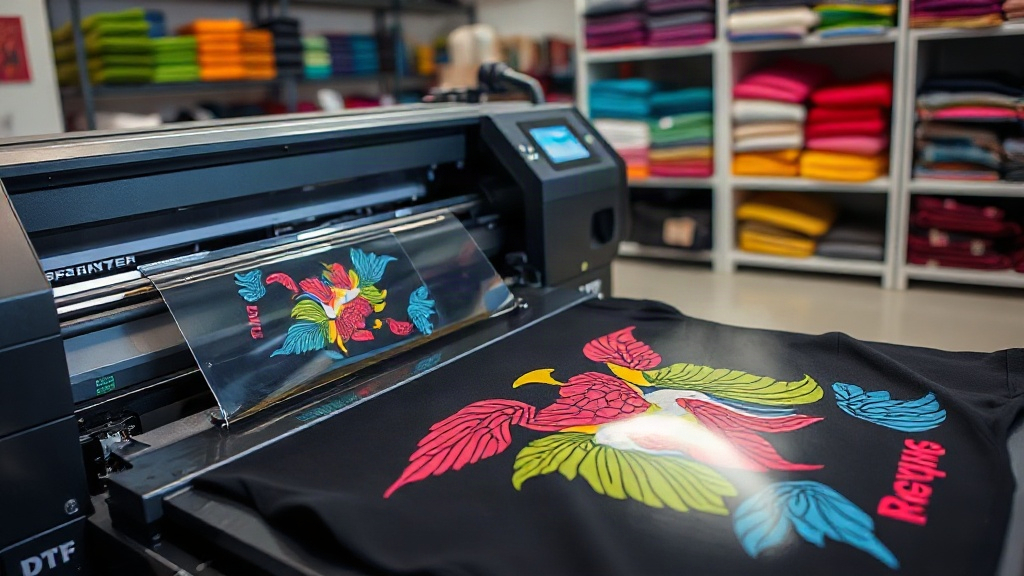
If you've been exploring custom apparel, you've likely encountered the term DTF. DTF printing, or Direct to Film printing, is rapidly becoming a go-to method for creating vibrant, durable designs on a variety of fabrics. Unlike traditional methods that require specific materials, DTF offers flexibility and stunning results that can elevate your products. In this guide, we'll walk you through the ins and outs of DTF printing, from the basic process to practical tips for achieving professional-quality transfers. Whether you're a small business owner, a hobbyist, or just curious about the latest in printing technology, understanding DTF can open up new possibilities for your creative projects.
What is DTF Printing?
DTF stands for Direct to Film. It's a printing technique where your design is printed onto a special film, then coated with a powder adhesive and transferred to fabric using a heat press. The magic lies in the film: it allows the ink to sit on top of the fabric rather than soaking in, resulting in bright, opaque colors even on dark garments. This method has gained popularity because it works on almost any fabric, including cotton, polyester, blends, and even leather. Unlike DTG (Direct to Garment) printing, which requires pre-treatment and works best on 100% cotton, DTF is more versatile and often more cost-effective for small batches.
How Does the DTF Process Work?
The DTF process can be broken down into four main steps: printing, powdering, curing, and pressing. Let's explore each stage in detail.
Step 1: Printing the Design
First, your design is printed onto a PET film using a DTF printer. These printers use special pigment inks (usually CMYK plus white) to create the image. The white ink is crucial because it acts as a base, allowing the colors to pop on dark fabrics. The printer lays down the white ink first, followed by the color layers. The film is coated with a release agent so the ink can easily transfer later. It's important to use high-quality film and inks to ensure vibrant colors and durability.
Step 2: Applying Adhesive Powder
After printing, while the ink is still wet, a fine powder adhesive (often TPU-based) is sprinkled over the film. The powder sticks to the wet ink. Excess powder is then shaken off, leaving a thin, even layer on the design. This powder will melt during the curing stage and become the glue that bonds the design to the fabric.
Step 3: Curing the Powder
The film with the powder is then placed in a curing oven or under a heat source. The heat melts the powder, creating a smooth, gel-like layer. This step is critical: under-curing can lead to poor adhesion, while over-curing can make the transfer brittle. Typically, curing is done at around 160°C (320°F) for 2-3 minutes, but exact settings depend on your equipment and powder type. Many modern DTF printers have integrated curing units for efficiency.
Step 4: Heat Pressing onto Fabric
Once cured, the film is ready to be pressed onto your garment. You place the film on the fabric with the design facing up, then apply heat and pressure using a heat press. The powder melts again, bonding the ink to the fabric. After pressing, you wait for it to cool slightly, then peel off the film. The result is a soft, stretchable, and durable print that feels like part of the fabric.
Why Choose DTF Printing?
DTF printing offers several advantages that make it a smart choice for both beginners and professionals. Here are some key benefits:
- Versatility: Works on a wide range of fabrics, including cotton, polyester, nylon, and blends. No need for pre-treatment like DTG.
- Vibrant Colors: The white ink base allows for bright, opaque colors on dark materials.
- Durability: When done correctly, DTF prints resist cracking, peeling, and fading, even after multiple washes.
- Cost-Effective for Small Runs: Unlike screen printing, which requires setup costs per color, DTF is economical for short runs and one-off designs.
- No Weeding: Unlike vinyl cutting, there's no tedious weeding process, saving time and labor.
DTF vs. Other Printing Methods
How does DTF stack up against other popular printing techniques? Let's compare.
DTF vs. DTG
DTG (Direct to Garment) prints directly onto the fabric, but it requires pre-treatment and works best on 100% cotton. DTF, on the other hand, can be used on almost any fabric and doesn't require pre-treatment. DTF also produces more vibrant colors on dark garments because of the white ink layer. However, DTG can feel softer on the fabric since the ink is absorbed. For versatility and color vibrancy, DTF often wins.
DTF vs. Screen Printing
Screen printing is great for large orders with few colors, offering low cost per unit. But it requires separate screens for each color, making it expensive for complex designs or small batches. DTF excels in small to medium runs with unlimited colors, and it's perfect for detailed designs. If you need just a few shirts with a full-color photo, DTF is more practical.
DTF vs. Vinyl
Heat transfer vinyl (HTV) is popular for simple designs but involves cutting and weeding, which is time-consuming. It also works best on cotton. DTF eliminates weeding and works on more fabrics, making it a faster and more versatile option.
Getting Started with DTF Printing
Ready to dive into DTF? Here's what you need to know to start.
Equipment and Supplies
To get started, you'll need:
- A DTF printer (or access to a printing service).
- DTF film (PET film).
- DTF ink (CMYK + white).
- Adhesive powder.
- A heat press.
- A curing oven or heat gun (if not using a printer with built-in curing).
If you're not ready to invest in a printer, you can order DTF transfers from online services and just apply them with a heat press. This is a great way to test the waters.
Design Tips for DTF
To get the best results, keep these design considerations in mind:
- Resolution: Use high-resolution images (300 DPI or higher) for crisp prints.
- Color Mode: Design in CMYK, not RGB, to match printer output.
- White Base: Remember that white ink is printed underneath, so your design should account for that (e.g., avoid semi-transparent areas unless intended).
- Size: Ensure your design fits within the printable area of your film and press.
Pressing Instructions
Each DTF transfer comes with specific pressing instructions, but generally, you'll press at 150-160°C (300-320°F) for 10-15 seconds with medium pressure. Peel the film either hot or cold depending on the film type (most are cold peel). Always test on a scrap fabric first.
Common Mistakes and How to Avoid Them
Even with a straightforward process, beginners often encounter issues. Here are some common pitfalls and solutions:
- Insufficient Powder: If you don't apply enough powder, the design may not adhere properly. Ensure even coverage and shake off excess.
- Under-Curing: If the powder isn't fully melted, the transfer will peel. Use a infrared thermometer to check temperature.
- Too Much Pressure: Excessive pressure can cause the ink to spread, leading to blurry edges. Use medium pressure.
- Peeling Too Early: If you peel while hot, the design might stretch. Wait until it's cool to the touch.
- Wrong Fabric: While DTF works on many fabrics, some heavily textured or coated materials may not bond well. Test first.
Frequently Asked Questions about DTF Printing
How durable is DTF printing?
When properly applied, DTF prints are very durable. They can withstand multiple washes without cracking or fading. For best results, wash garments inside out in cold water and avoid bleach.
Can I use DTF on dark shirts?
Absolutely! DTF is excellent for dark fabrics because the white ink base ensures colors remain vibrant and opaque. It's one of its biggest advantages over other methods.
Do I need a special printer for DTF?
Yes, DTF requires a dedicated DTF printer that uses pigment inks and can handle PET film. However, you can also order transfers from a service and apply them with a regular heat press.
How do I store DTF transfers?
Store unused transfers in a cool, dry place, away from direct sunlight. They can last for several months if kept properly. Avoid folding them to prevent cracking.
Is DTF printing cost-effective for small businesses?
Yes, especially for small batches and complex designs. There's no minimum order, and you can print one-off designs without setup fees. It's a great option for startups and side hustles.
DTF printing is revolutionizing the custom apparel industry with its versatility, vibrant results, and ease of use. Whether you're creating personalized gifts or building a clothing brand, mastering DTF can give you a competitive edge. With the right equipment and a bit of practice, you'll be producing professional-quality transfers in no time. So why not give it a try? Your next custom creation could be just a press away.