
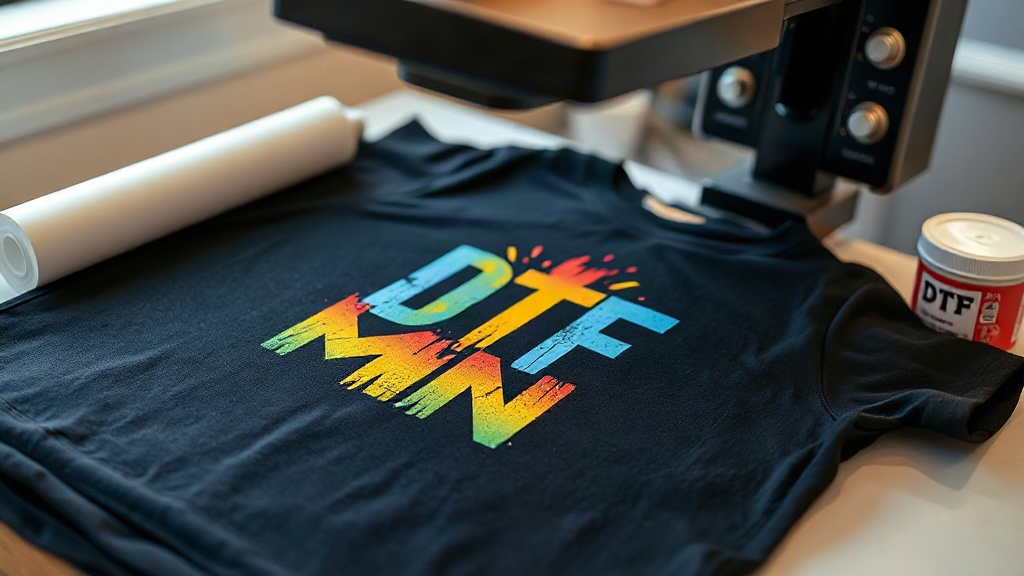
If you've been in the custom apparel game for any length of time, you've likely heard the buzz around DTF transfers. Maybe you're curious about switching from vinyl or screen printing, or you're just starting and want to know which method gives you the most flexibility without a huge upfront investment. Either way, you're in the right place. This guide will walk you through exactly what DTF transfers are, how they work, and why they've become a go-to solution for creators who want vibrant, durable designs on almost any fabric.
What Are DTF Transfers?
DTF stands for Direct-to-Film. Unlike DTG (Direct-to-Garment), which prints directly onto the shirt, DTF transfers involve printing your design onto a special PET film, coating it with a hot-melt adhesive powder, and then using a heat press to transfer it onto the fabric. The result is a soft, stretchable print that bonds permanently to the material.
The process might sound technical, but it's surprisingly accessible. You don't need a warehouse full of equipment. A decent DTF printer, a heat press, and the right supplies are enough to get started. And because the design sits on a film first, you can print on a much wider range of fabrics, including cotton, polyester, blends, and even nylon.
Why DTF Transfers Are Gaining Popularity
There are several reasons why DTF transfers have become a favorite among small business owners, crafters, and even large-scale apparel companies. Let's break down the biggest advantages.
1. No Weeding Required
If you've ever spent hours weeding tiny letters out of heat transfer vinyl, you know the pain. DTF transfers eliminate that entirely. You print, powder, cure, and press. That's it. This saves an incredible amount of time, especially for complex designs with fine details or multiple colors.
2. Works on Almost Any Fabric
DTF transfers adhere beautifully to cotton, polyester, cotton-poly blends, and even treated nylon. This versatility means you can offer your customers a wider range of garment options without worrying about whether the design will stick or crack.
3. Vibrant, Full-Color Prints
Because DTF uses CMYK inks plus white, you can achieve photorealistic images, gradients, and fine lines that look sharp and vivid. The white ink layer sits beneath the color, ensuring opacity even on dark garments. No more worrying about your design getting lost on a black t-shirt.
4. Soft Hand Feel
Modern DTF films and powders have come a long way. The prints are thin, stretchy, and soft to the touch. They don't feel like a plastic patch sitting on top of the fabric. After a few washes, the print actually becomes even softer.
5. Cost-Effective for Small Batches
Screen printing requires setup costs per color, which makes short runs expensive. DTF transfers, on the other hand, are cost-effective whether you're making one shirt or fifty. You can print a single transfer for a sample and then scale up without changing your process.
How to Apply DTF Transfers: Step by Step
Applying a DTF transfer is straightforward, but getting professional results requires attention to a few key details. Here's a reliable method that works for most fabrics.
- Preheat your heat press. Set the temperature to around 325°F (160°C) for cotton and blends. For polyester, you might go slightly lower (300°F) to avoid scorching.
- Pre-press the garment. This removes moisture and wrinkles, creating a smooth surface for the transfer. A quick 5-second press is usually enough.
- Position the transfer. Place the DTF film on the garment with the printed side facing up. If your film has a clear carrier sheet, the design should be against the fabric.
- Press with medium pressure. Press for 10-15 seconds. The exact time can vary by film brand, so always check the manufacturer's recommendations.
- Peel the film. DTF transfers are typically cold peel or warm peel. Cold peel means you wait until the transfer is completely cool before removing the film. Warm peel means you remove it while it's still warm. Follow the instructions for your specific film.
- Post-press (optional). Some people like to cover the design with a Teflon sheet or parchment paper and press again for a few seconds to ensure maximum adhesion.
Common Mistakes to Avoid
Even though DTF is forgiving, a few missteps can ruin your results. Watch out for these:
- Too much pressure. This can cause the ink to spread or the film to wrinkle, leading to a blurry or uneven print.
- Not pre-pressing. Skipping this step can trap moisture, causing the transfer to peel or bubble.
- Incorrect peel timing. Peeling too early or too late can pull up parts of the design. Know whether your film is cold or warm peel.
- Using the wrong powder. The adhesive powder must match the film and ink. Using a generic powder can lead to poor wash durability.
- Ignoring fabric type. While DTF works on many fabrics, some (like certain nylons) may require a special low-temperature transfer or a bonding agent.
DTF vs. Other Transfer Methods
How does DTF stack up against the competition? Let's compare it to the most common alternatives.
DTF vs. DTG
DTG prints directly onto the garment, which means it's limited mostly to cotton. DTF can go on almost anything and often produces more vibrant colors on dark shirts. However, DTG can be faster for large orders of 100% cotton items because there's no film or powder step.
DTF vs. Vinyl
Vinyl is great for simple one-color designs, but it requires weeding and layering for multi-color. DTF handles full-color images in one go and has a softer feel. Vinyl can also be more durable for very small text, but DTF has closed that gap significantly.
DTF vs. Screen Printing
Screen printing is still the king for huge runs (hundreds or thousands) because the cost per print drops dramatically. But for small to medium batches, DTF wins on setup time and flexibility. You can't beat DTF for print-on-demand or personalized items.
Tips for Long-Lasting DTF Prints
You want your customers to enjoy their custom apparel for years, not weeks. Here's how to ensure your DTF transfers stand the test of time.
- Wash inside out in cold water. This reduces abrasion on the print.
- Avoid fabric softener. It can leave a residue that breaks down the adhesive over time.
- Tumble dry low or hang dry. High heat can cause the print to crack or peel.
- Don't iron directly on the print. If you must iron, do it inside out or use a pressing cloth.
- Wait 24 hours before washing. This allows the adhesive to fully cure.
Frequently Asked Questions About DTF Transfers
How long do DTF transfers last?
With proper care, DTF transfers can last as long as the garment itself. Most prints withstand 50+ washes without fading or cracking. The key is following the washing instructions and avoiding high heat.
Can I use DTF transfers on dark colors?
Absolutely. DTF transfers include a white ink layer that makes colors pop on dark fabrics. This is one of the biggest advantages over DTG, which often requires a white underbase that can feel thick.
Do I need a special printer for DTF?
Yes, you need a DTF printer that uses DTF inks and a film. However, you can also buy pre-printed transfers from suppliers if you don't want to invest in a printer. Many small businesses start by ordering transfers and pressing them onto garments.
What is the best temperature for pressing DTF transfers?
Most DTF transfers press at 325°F (160°C) for 10-15 seconds with medium pressure. However, always check the instructions from your film supplier, as some films require slightly different settings.
Can I stretch DTF prints?
Yes, DTF prints are stretchable and will move with the fabric. They won't crack or peel when stretched moderately, which makes them great for athletic wear and fitted shirts.
Final Thoughts
DTF transfers have revolutionized the custom apparel industry by offering a versatile, cost-effective, and high-quality solution for decorating garments. Whether you're a hobbyist or a growing business, mastering DTF can open up new creative and revenue opportunities. Remember to source quality supplies, follow the application steps carefully, and educate your customers on proper care. With a little practice, you'll be producing professional-grade apparel that stands out.