
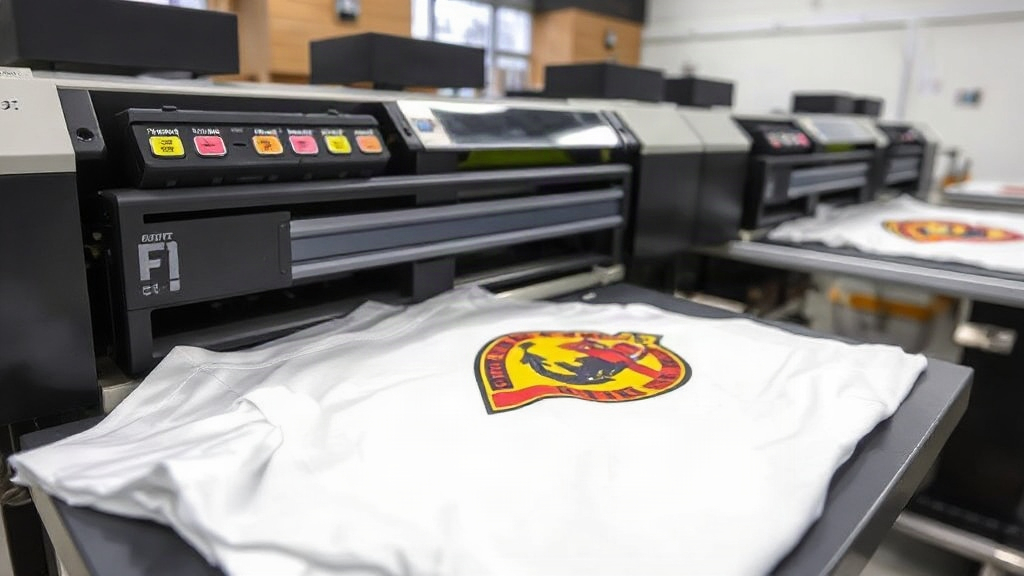
When you run a print-on-demand (POD) business, the printing method you choose can make or break your product quality and customer satisfaction. Among the many options, DTF printing has emerged as a game-changer for entrepreneurs who want to offer vibrant, durable designs on a wide range of fabrics without the hassle of complicated setups. In this guide, I'll share insights from my own experience using DTF in a POD workflow, covering everything from the basics to advanced tips that can help you stand out in a crowded market.
What Is DTF Printing and Why Does It Matter for POD?
DTF stands for Direct to Film. It's a printing technology where your design is printed onto a special film, coated with a powder adhesive, and then heat-pressed onto the fabric. Unlike DTG (Direct to Garment), which prints directly onto the garment, DTF transfers can be applied to almost any fabric: cotton, polyester, blends, and even nylon. This versatility is a huge advantage for POD sellers because you're not limited to a single material type.
In my own POD shop, switching to DTF allowed me to expand my product line from basic cotton tees to performance wear, canvas bags, and even denim jackets. The prints held up beautifully after dozens of washes, which drastically reduced customer complaints about fading or cracking.
How DTF Works: A Step-by-Step Overview
Understanding the process helps you troubleshoot issues and optimize your results. Here's a simplified breakdown:
- Design Preparation: Create your artwork in a graphics program, ensuring it's mirrored and sized appropriately. DTF films require a CMYK+White ink setup, so your design should have a transparent background.
- Printing: Using a DTF printer, the design is printed onto a PET film. White ink is typically printed first as a base, followed by CMYK colors.
- Powdering: While the ink is still wet, a hot-melt adhesive powder is applied evenly over the print. Excess powder is shaken off.
- Curing: The film passes through a curing oven or heat press to melt the powder, creating a dry, flexible transfer.
- Heat Pressing: The transfer is placed on the garment and pressed at around 150-160°C for 10-15 seconds. After cooling, the film is peeled away, leaving the design bonded to the fabric.
This process might sound involved, but once you have the equipment, it becomes second nature. The key is consistency in temperature, pressure, and timing.
Why DTF Outshines Other Printing Methods for POD
If you're wondering whether DTF is worth the investment, consider these advantages that I've experienced firsthand:
- Fabric Versatility: Works on cotton, polyester, blends, leather, and more. No need to pre-treat garments like with DTG.
- Durability: Prints resist cracking, peeling, and fading even after repeated washing. I've had customers report their shirts still look new after a year.
- Color Vibrancy: DTF produces bright, opaque colors on both light and dark fabrics without a white underbase for dark colors (the white ink is part of the transfer).
- Cost-Effective for Small Batches: Unlike screen printing, there's no minimum order quantity. You can print one-off designs profitably.
- No Weeding: Unlike vinyl, there's no tedious cutting and weeding. Just print, powder, cure, and press.
That said, DTF isn't perfect. The hand feel can be slightly thicker than DTG, especially on large prints. But for most POD applications, the benefits far outweigh this minor drawback.
DTF vs. DTG vs. Sublimation: A Quick Comparison
To help you decide, here's how DTF stacks up against two other popular POD methods:
- DTG: Best for 100% cotton, but requires pre-treatment and can be less durable on polyester. DTF wins on versatility and durability.
- Sublimation: Only works on polyester or specially coated items, and colors are limited to light backgrounds unless you use white toner (rare). DTF works on any color and fabric.
- Vinyl: Great for simple one-color designs, but complex multi-color designs require layering and weeding. DTF handles full-color graphics with ease.
For a POD business that wants to offer a wide range of products with high-quality prints, DTF is often the most flexible choice.
Setting Up Your DTF Workflow for POD Success
Integrating DTF into your POD operations requires careful planning. Here are the key steps I recommend:
1. Choose the Right Equipment
You'll need a DTF printer, a powder shaker, and a heat press. Entry-level printers start around $3,000, but prices vary. Look for printers with reliable printheads (Epson i3200 is popular) and good support. A quality heat press with even pressure is crucial for consistent results.
2. Master the Materials
Not all DTF films and powders are created equal. I've tested several brands and found that films with a matte finish and high release properties work best. The adhesive powder should be fine and consistent; 80-100 micron particle size is ideal. Always store films and powder in a cool, dry place to prevent clumping.
3. Optimize Your Designs
Since DTF can handle intricate details, don't be afraid to use gradients, fine lines, and photographs. However, keep in mind that very thin lines (less than 0.5pt) may not transfer perfectly. Also, avoid large solid areas of white ink if you want a softer hand feel; you can reduce white ink density in your RIP software.
4. Nail the Heat Press Settings
Each fabric type may require slight adjustments. For cotton, I use 160°C for 15 seconds with medium pressure. For polyester, lower to 150°C for 10 seconds to avoid dye migration. Always test on a scrap piece before pressing your final product.
5. Quality Control and Fulfillment
After pressing, inspect the print for adhesion and color accuracy. A quick stretch test can reveal if the transfer is properly bonded. For POD, you'll likely ship directly to customers, so package items carefully to avoid creasing.
Common DTF Challenges and How to Overcome Them
Even with experience, you'll encounter issues. Here are solutions to the most common problems:
- Print Cracking: Usually caused by under-curing the powder or insufficient pressure. Increase curing time or pressure.
- Color Fading: Often due to low-quality ink or over-pressing. Use genuine inks and follow temperature guidelines.
- Poor Adhesion: May result from too little powder or pressing on a damp garment. Ensure fabric is dry and powder is evenly applied.
- Film Sticking: If the film won't peel cleanly, it might be due to insufficient cooling. Wait a few seconds before peeling.
Keeping a log of your settings for each fabric type can save hours of trial and error.
Scaling Your POD Business with DTF
Once you've mastered the basics, DTF opens doors to new product categories. I started with t-shirts, then moved to hoodies, tote bags, and even phone cases (using a special adapter). The ability to print on demand means you can test designs without inventory risk. Use analytics to identify best-sellers and double down on those.
Consider offering personalization, like custom names or numbers, which is easy with DTF. This can command higher prices and build customer loyalty.
Frequently Asked Questions About DTF Printing for POD
How long do DTF prints last on garments?
With proper application and care, DTF prints can last 50+ washes without significant fading or cracking. Always turn garments inside out and wash in cold water to extend life.
Can I use DTF on dark polyester without the design looking dull?
Yes, DTF prints include a white ink base that makes colors pop on dark fabrics. However, on polyester, use lower pressing temperatures to prevent dye migration from the fabric into the print.
What's the minimum order quantity for DTF printing?
There's no minimum. You can print a single transfer, making it perfect for print-on-demand and custom orders.
Do I need a special printer for DTF?
You can convert some inkjet printers to DTF, but dedicated DTF printers are recommended for reliability and warranty. They typically use pigment inks and have a white ink channel.
Is DTF more expensive than other methods?
The cost per print is competitive, especially for small batches. While the initial equipment investment is higher than vinyl, the labor savings and versatility often justify the cost for serious POD sellers.
With DTF, you're not just printing; you're creating durable, high-quality products that customers love. Dive in, experiment, and watch your POD business thrive.