
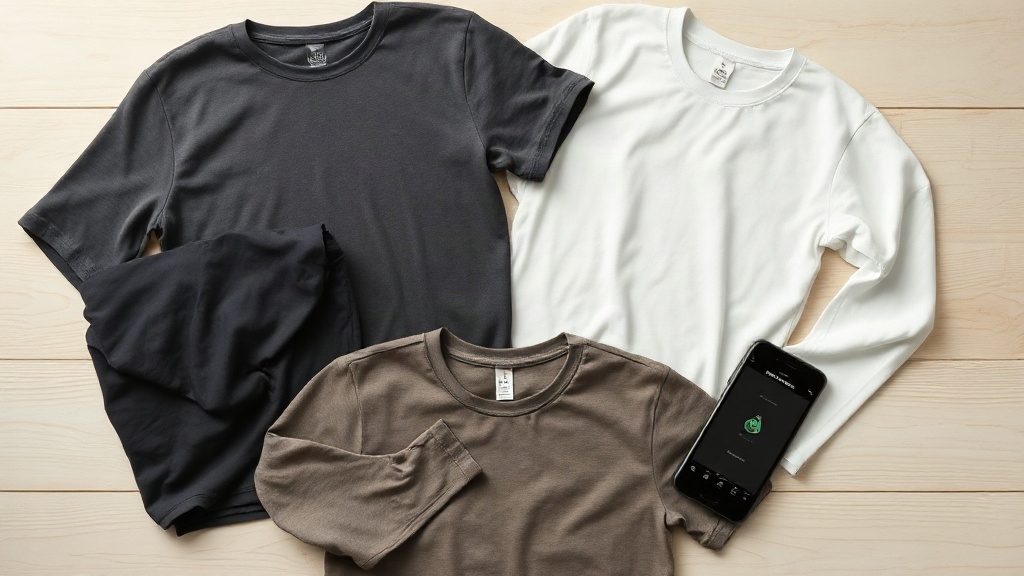
In the evolving world of custom apparel, smart blanks are emerging as a game-changer. These aren't your ordinary t-shirts or hoodies; they are garments embedded with technology, designed for personalization, and produced with sustainability in mind. Whether you're a small business owner looking to offer unique products or a consumer seeking the next level of wearable tech, understanding smart blanks is essential. This article delves into what smart blanks are, their benefits, and how they are shaping the future of custom clothing.
What Are Smart Blanks?
Smart blanks refer to apparel items that serve as a canvas for customization but come with added technological features. Unlike traditional blanks, which are simple, undecorated garments, smart blanks integrate elements like conductive threads, embedded sensors, or QR codes that link to digital experiences. They are often made from advanced materials that offer enhanced comfort, durability, or sustainability. The term "blank" indicates they are ready for decoration, but "smart" signifies their embedded intelligence.
For example, a smart blank t-shirt might have a near-field communication (NFC) chip sewn into the hem, allowing the wearer to tap their phone and access a personalized landing page. Or it could use phase-change materials to regulate body temperature. These features open up new possibilities for brands and consumers alike.
Why Smart Blanks Matter for Custom Apparel
The rise of smart blanks is driven by several factors. First, consumers are increasingly demanding personalized products. Smart blanks enable easy customization while adding a layer of interactivity. Second, sustainability is a major concern in the apparel industry, and smart blanks often utilize eco-friendly materials and production methods. Third, the integration of technology allows for new business models, such as connecting physical products to digital services.
For businesses, smart blanks offer a way to differentiate in a crowded market. By offering garments with built-in tech, they can attract tech-savvy customers and create engaging brand experiences. Moreover, smart blanks can streamline inventory management; with on-demand production, businesses can reduce waste and respond quickly to trends.
Key Features of Smart Blanks
- Embedded Technology: NFC tags, QR codes, or sensors that enable digital interaction.
- Sustainable Materials: Organic cotton, recycled polyester, or innovative fabrics like bamboo lyocell.
- Enhanced Comfort: Moisture-wicking, temperature-regulating, or antimicrobial properties.
- Customization-Ready: Designed for printing, embroidery, or other decoration methods.
- Durability: Built to withstand repeated wear and washing while maintaining tech functionality.
How Smart Blanks Are Made
Creating smart blanks involves a blend of textile engineering and technology integration. The process typically starts with selecting high-quality base fabrics. These fabrics are then enhanced with technological elements, which can be woven in during manufacturing or added post-production. For instance, conductive threads might be knitted into the fabric to create touch-sensitive areas. Alternatively, small electronic components can be encapsulated in protective casings and attached to the garment.
Sustainability is often a key consideration. Many smart blanks use organic or recycled materials, and production methods aim to minimize water and energy use. Some manufacturers even incorporate biodegradable components. The goal is to create garments that are not only smart but also environmentally responsible.
Manufacturing Challenges
Integrating technology into apparel is not without challenges. Washability is a major concern; electronic components must survive repeated laundering. Comfort is another; nobody wants to wear a shirt with bulky sensors. Cost is also a factor, as smart blanks are typically more expensive to produce than traditional blanks. However, ongoing research and development are addressing these issues, making smart blanks more accessible and practical.
Applications of Smart Blanks
Smart blanks are finding applications across various industries. In fashion, they enable interactive clothing that can change color or pattern via a smartphone app. In sports, they can monitor athlete performance, tracking heart rate, movement, and hydration levels. In healthcare, they can be used for remote patient monitoring, alerting caregivers to changes in vital signs.
For promotional products, smart blanks offer a way to engage customers. A company could give away a smart blank t-shirt with an NFC tag that, when tapped, opens a discount code or a brand story. This creates a memorable experience and encourages repeat interactions. In retail, smart blanks can provide product authentication or styling tips when scanned.
Case Study: Interactive Event Apparel
Imagine a music festival where attendees receive smart blank t-shirts with embedded LEDs that sync with the stage lights. The shirts could also have NFC tags that allow fans to share their location with friends or access exclusive content. Such applications demonstrate the potential of smart blanks to create immersive experiences.
Benefits of Smart Blanks for Businesses
Adopting smart blanks can bring numerous advantages to businesses. Firstly, they enable product differentiation. In a market flooded with similar offerings, smart blanks stand out. Secondly, they can increase customer engagement. The interactive elements encourage users to interact with the brand beyond the point of sale. Thirdly, they can provide valuable data. For example, NFC tags can track how often a garment is worn or which promotions are most effective, offering insights for marketing strategies.
Additionally, smart blanks align with sustainability goals. By using eco-friendly materials and on-demand production, businesses can reduce their environmental footprint. This appeals to environmentally conscious consumers and can enhance brand reputation. Finally, smart blanks can open up new revenue streams, such as subscription services for content or updates related to the garment.
Choosing the Right Smart Blanks
When selecting smart blanks for your business, consider the following factors:
- Target Audience: Understand what features your customers value. Are they tech enthusiasts, athletes, or eco-conscious consumers?
- Technology: Decide which tech to integrate. NFC is great for simple interactions, while sensors offer more advanced functionality.
- Material Quality: Ensure the base fabric is comfortable and durable. Sustainable materials are a plus.
- Cost: Balance features with budget. Start with simpler smart blanks and scale up as you grow.
- Supplier Reliability: Partner with manufacturers who have experience in smart textiles and can deliver consistent quality.
The Future of Smart Blanks
The future of smart blanks is promising. As technology advances, we can expect more seamless integration, with sensors becoming smaller and more flexible. We might see smart blanks that harvest energy from movement, or that change color based on mood. Sustainability will continue to drive innovation, with new biodegradable electronics and circular design principles.
Moreover, the line between physical and digital will blur further. Smart blanks could become part of the Internet of Things (IoT), communicating with other devices in the wearer's environment. For custom apparel businesses, staying ahead of these trends will be crucial to remain competitive.
Frequently Asked Questions
What exactly are smart blanks and how do they differ from regular blanks?
Smart blanks are apparel items that come with integrated technology, such as NFC tags or sensors, and are often made from advanced sustainable materials. Unlike regular blanks, they offer interactive features and enhanced performance, making them more than just a canvas for decoration.
Are smart blanks machine washable?
Most smart blanks are designed to be machine washable, but it depends on the specific technology. Always check the care instructions provided by the manufacturer. Typically, the electronic components are encapsulated to withstand washing, but harsh chemicals or high heat should be avoided.
How can smart blanks benefit my small business?
Smart blanks can help your small business stand out by offering unique, tech-enhanced products. They can increase customer engagement through interactive features, provide valuable data on customer behavior, and align with sustainability values, attracting eco-conscious consumers.
Are smart blanks more expensive than traditional blanks?
Yes, smart blanks generally cost more due to the integration of technology and the use of advanced materials. However, they can justify a higher price point and open up new revenue opportunities, making them a worthwhile investment for many businesses.
Where can I source smart blanks for my custom apparel projects?
You can source smart blanks from specialized textile manufacturers and suppliers that focus on smart fabrics. Look for companies with expertise in wearable technology and sustainable practices. Online marketplaces and industry trade shows are also good places to connect with suppliers.