
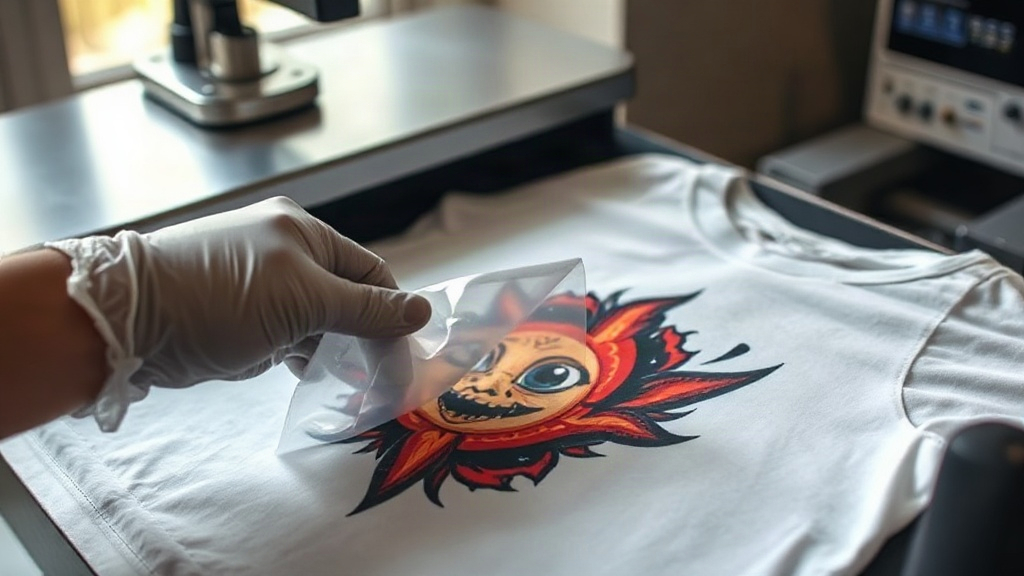
Imagine pressing a vibrant, full-color design onto a cotton t-shirt or a nylon jacket without the hassle of weeding or layering. That's the magic of DTF transfers. If you're in the custom apparel business or just love creating personalized gear, DTF (Direct to Film) transfers have likely caught your eye. In this guide, I'll walk you through everything you need to know about DTF transfers, from the basics to pro tips I've picked up after countless trials (and a few errors). Let's dive in.
What Are DTF Transfers?
DTF transfers are a relatively new printing method where your design is printed onto a special film, coated with adhesive powder, and then heat-pressed onto fabric. Unlike DTG (Direct to Garment) or screen printing, DTF doesn't require pretreating or special inks for different fabrics. The process involves a DTF printer, PET film, hot melt powder, and a heat press. The result? Bright, durable prints that stretch with the fabric and withstand repeated washing.
How DTF Works: A Step-by-Step Overview
First, your design is printed onto a PET film using water-based inks. Then, while the ink is still wet, a fine powder (hot melt adhesive) is applied and shaken off. The film goes through a curing oven or heat press to melt the powder. Finally, the transfer is ready to be pressed onto your garment. The adhesive bonds the ink to the fabric, creating a strong, flexible bond.
Why Choose DTF Transfers Over Other Methods?
There are several reasons DTF has become a favorite among crafters and professionals alike. Here are the standout benefits:
- No Weeding Required: Unlike vinyl, you don't have to cut and weed tiny details. This saves hours on complex designs.
- Full-Color Prints: DTF can reproduce photorealistic images, gradients, and fine lines with ease.
- Fabric Versatility: Works on cotton, polyester, blends, nylon, leather, and even treated wood. No need to switch inks or pretreat.
- Durability: When applied correctly, DTF prints resist cracking, peeling, and fading. They can outlast the garment itself.
- Cost-Effective for Small Runs: No setup fees or minimums, making it ideal for one-off custom orders.
Limitations to Keep in Mind
DTF isn't perfect. The prints can feel slightly rubbery on very stretchy fabrics, and dark garments may require a white ink base, which adds a bit of thickness. Also, the process involves more steps than vinyl, so there's a learning curve.
DTF vs. DTG vs. Vinyl: Which One Wins?
Let's compare DTF to two popular alternatives: DTG and heat transfer vinyl (HTV). DTG is great for 100% cotton but struggles on synthetics and requires pretreatment. HTV is perfect for simple, single-color designs but is labor-intensive for multi-color graphics. DTF sits in the sweet spot: it handles complex designs on almost any fabric without pretreatment. However, DTG might be faster for large cotton orders, and HTV is cheaper for basic text. Your choice depends on your specific needs.
How to Apply DTF Transfers: A Step-by-Step Guide
Applying DTF transfers is straightforward, but the details matter. Here's my tried-and-true method:
- Prepare Your Workspace: Set your heat press to 325°F (160°C) and preheat the garment for 5-10 seconds to remove moisture.
- Position the Transfer: Place the DTF transfer on the garment with the printed side up. The adhesive side is already on the film.
- Press: Apply medium pressure for 10-15 seconds. Use a Teflon sheet or parchment paper to protect the film.
- Peel: Wait for the transfer to cool completely (cold peel) before removing the film. This ensures the adhesive sets properly.
- Post-Press: For extra durability, press again for 5-10 seconds with a Teflon sheet.
Pro tip: Always test on a scrap piece of fabric first, as different fabrics may require slight adjustments in temperature or pressure.
Common Mistakes to Avoid
I've seen (and made) these mistakes: pressing at too high a temperature (causes scorching), peeling while hot (leads to ink lifting), and using too little pressure (poor adhesion). Also, don't skip preheating; moisture can ruin the bond.
Choosing the Right DTF Supplies
Not all DTF films and powders are created equal. Look for films that are compatible with your printer and offer good ink release. The powder should have a fine, consistent grain. I recommend starting with a reputable brand like DTF Station or STS Inks. Your printer also matters: converted Epson printers are popular for DTF, but dedicated DTF printers are becoming more affordable.
Printer Maintenance Tips
DTF printers require regular maintenance. Print a nozzle check daily, agitate the white ink, and clean the capping station. Neglecting maintenance leads to clogged printheads and wasted film.
DTF Transfers on Different Fabrics
One of the biggest advantages of DTF is its versatility. Here's how it performs on various materials:
- Cotton: Excellent. The print stretches with the fabric and feels soft after washing.
- Polyester: Great, but use lower temperature to avoid dye migration.
- Blends: Works well; adjust temperature based on the dominant fiber.
- Nylon: Good, but may require a lower temperature and longer press time.
- Leather: Possible, but test first; some leathers can be damaged by heat.
Troubleshooting Common DTF Issues
Even with experience, issues pop up. Here's how to fix them:
- Print Cracking: Usually due to too much pressure or insufficient powder. Reduce pressure and ensure even powder coverage.
- Ink Not Transferring: Likely insufficient pressure or temperature. Increase both slightly.
- Film Sticking: Let it cool longer before peeling.
Frequently Asked Questions About DTF Transfers
How long do DTF transfers last?
With proper application and care, DTF prints can last 50+ washes. They may outlast the garment itself.
Can I use DTF transfers on dark shirts?
Yes, DTF works on dark fabrics. The printer lays down a white ink base, so colors pop.
Do I need a special printer for DTF?
You can convert an Epson printer with DTF inks, but dedicated DTF printers are recommended for best results.
What's the difference between DTF and DTG?
DTF uses a film transfer, while DTG prints directly onto the garment. DTF works on more fabrics and doesn't require pretreatment.
Can I stretch DTF prints?
Yes, DTF prints stretch with the fabric, making them ideal for activewear.
Final Thoughts
DTF transfers have revolutionized custom apparel by combining versatility, durability, and ease of use. Whether you're a hobbyist or a pro, mastering DTF opens up a world of possibilities. Start with quality supplies, follow the steps, and don't be afraid to experiment. Happy pressing!