
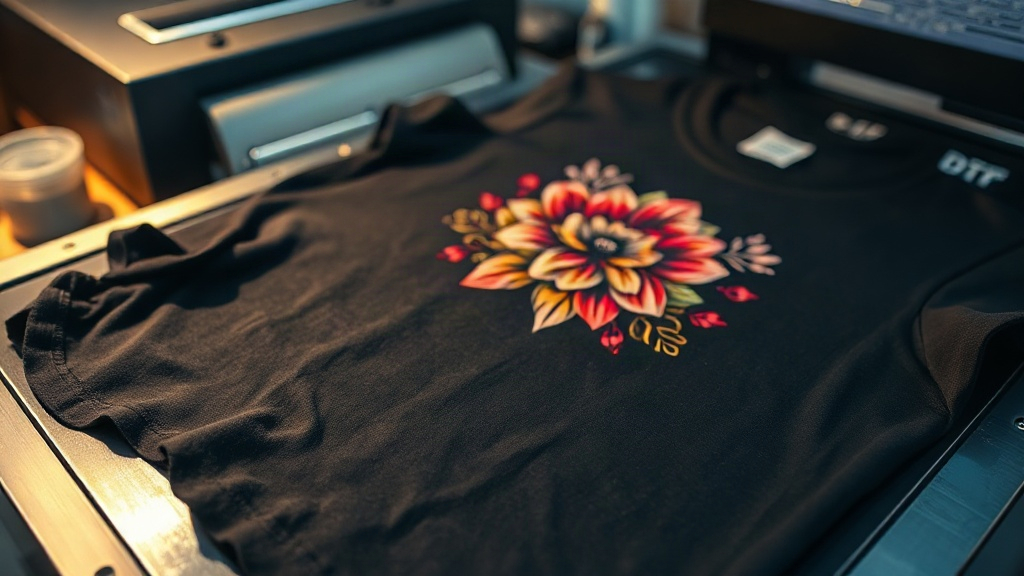
When it comes to decorating apparel with vibrant, detailed designs, DTF transfers have become a game-changer for small businesses and hobbyists alike. Unlike traditional methods that require weeding or specialized equipment, DTF transfers offer a streamlined workflow that delivers professional results on a wide range of fabrics. Whether you're running a print-on-demand shop or creating team uniforms, understanding DTF transfers can open up new creative and commercial possibilities.
What Are DTF Transfers?
DTF stands for Direct to Film. It's a printing technology where your design is printed onto a special film, coated with a adhesive powder, and then heat-pressed onto the fabric. The process involves a DTF printer, which uses pigment-based inks to print the design onto a PET film. After printing, a powder adhesive is applied while the ink is still wet, and then the film is cured. The resulting transfer can be stored and later applied to garments using a heat press.
One of the key advantages of DTF transfers is that they can be applied to almost any fabric, including cotton, polyester, blends, and even treated nylon. This versatility makes them a favorite for those who work with diverse materials. Additionally, DTF transfers don't require pre-treatment of the fabric, saving time and reducing steps in the production process.
Why Choose DTF Transfers Over Other Methods?
If you've tried screen printing or vinyl cutting, you know each has its limitations. Screen printing is cost-effective for large orders but requires separate screens for each color, making short runs expensive. Vinyl cutting is great for simple designs but struggles with complex, multi-color graphics. DTF transfers bridge the gap: they handle intricate designs with gradients, fine lines, and photographs without any color limitations.
Another benefit is the low setup cost. You can print a single transfer or hundreds with the same ease. There's no need for screens, no weeding, and no color separation. This makes DTF transfers ideal for small businesses that offer personalized products or for creators who want to test designs without committing to bulk inventory.
Durability is another strong point. When applied correctly, DTF transfers withstand repeated washing without cracking, peeling, or fading. They remain flexible, so the print moves with the fabric, which is especially important for stretchy materials like spandex or athletic wear.
The DTF Transfer Process Step by Step
Understanding the workflow helps you achieve consistent results. Here's a breakdown of the key stages:
- Design Preparation: Create your artwork in a graphics program. Ensure it's mirrored if required by your printer's software. Most DTF printers come with RIP software that handles color management and mirroring automatically.
- Printing: Load the DTF film into the printer. The printer lays down a layer of white ink (for opacity) followed by the color inks. Some printers print color first, then white, depending on the setup.
- Powder Application: While the ink is still wet, the film passes through a powder shaker that applies a thermoplastic adhesive powder. Excess powder is removed, and the film goes into a curing oven or under a heat source to melt the powder.
- Curing: The transfer is cured at a specific temperature (usually around 160°C/320°F) for a short time. This step is crucial for durability; under-curing leads to wash-off, over-curing can damage the film.
- Transfer Application: Once cooled, the transfer is ready to be applied. Place it on the garment, cover with a protective sheet, and press at 160°C for 10-15 seconds with medium pressure. Peel the film either hot or cold, depending on the film type.
Each step requires attention to detail, but with practice, the process becomes second nature.
Choosing the Right DTF Supplies
Not all DTF films and powders are created equal. The quality of your supplies directly impacts the final output. Look for films that offer excellent ink release and minimal curling. Premium films ensure that the ink transfers completely, leaving a soft, smooth print.
Adhesive powders come in different mesh sizes. Finer powders (like 80-100 microns) are better for detailed designs, while coarser powders (120-200 microns) provide stronger adhesion for heavy fabrics. It's a good idea to test different combinations to find what works best for your typical substrates.
Inks also matter. Pigment inks designed specifically for DTF are more viscous and produce vibrant colors. Using the wrong ink can clog your printhead or result in dull prints. Always use inks recommended by your printer manufacturer.
Common Challenges and How to Overcome Them
Even with the best supplies, you might encounter issues. Here are some common problems and their solutions:
- Faded or cracked prints after washing: This usually indicates under-curing or insufficient pressure during application. Increase curing time or temperature, and ensure your heat press applies even pressure.
- Incomplete transfer: If parts of the design don't stick, the film may have been peeled too early or too late. Check the recommended peel temperature for your film. Also, make sure the garment is flat and free of wrinkles.
- Clogged printhead: DTF inks can dry out if the printer isn't used regularly. Perform daily maintenance, including cleaning cycles and capping the printhead.
- Powder not sticking: This can happen if the ink layer is too thin or the powder is applied unevenly. Adjust your printer's ink density and ensure the powder shaker is functioning correctly.
By troubleshooting systematically, you can minimize waste and maintain high-quality output.
Applications and Creative Uses
DTF transfers are not limited to t-shirts. They can be used on hoodies, tote bags, caps, denim jackets, and even leather-like materials. This opens up a world of product offerings for your business. For example, you can create custom pet bandanas, personalized baby onesies, or branded workwear.
Because DTF prints can include photographic details, they're perfect for reproducing artwork with fine gradients. This makes them popular among artists who want to sell merchandise featuring their paintings or digital art.
Tips for Scaling Your DTF Production
If you're planning to grow from a hobbyist to a commercial operation, consider these tips:
- Invest in a reliable printer: A printer with a roll-to-roll system and automated powder shaker will save time and reduce manual errors.
- Standardize your process: Create a checklist for each step, from design to packaging, to ensure consistency.
- Keep a log: Track settings for different fabrics and designs. This helps you replicate successful outcomes.
- Offer samples: Send samples to potential clients so they can feel the quality and durability.
With careful planning, DTF transfers can become a profitable addition to your services.
Frequently Asked Questions
How long do DTF transfers last on a shirt?
With proper application and care, DTF transfers can last as long as the garment itself. Following wash instructions (inside out, cold water, no bleach) will maximize longevity. Typically, you can expect 50+ washes without significant fading.
Can I apply DTF transfers to 100% polyester?
Yes, DTF transfers adhere well to polyester and polyester blends. However, because polyester is heat-sensitive, use a lower temperature (around 140°C/285°F) and shorter press time to avoid scorching. Always test on a scrap piece first.
Do I need a special printer for DTF transfers?
You need a DTF printer that uses pigment inks and is designed to print on film. Converted inkjet printers can work, but dedicated DTF printers offer better reliability and automation. They typically include a powder shaker and curing unit.
What is the difference between DTF and DTG?
DTG (Direct to Garment) prints directly onto the fabric, while DTF prints onto a film that is then transferred. DTF works on more fabric types and often produces more vibrant colors on dark garments. DTG is limited to mostly cotton and requires pre-treatment.
Can I stretch a DTF print?
DTF transfers are flexible and can stretch with the fabric to some degree. However, excessive stretching may cause the print to crack over time. For stretchy fabrics, ensure the transfer is applied with adequate pressure and consider using a stretch additive in the powder.