
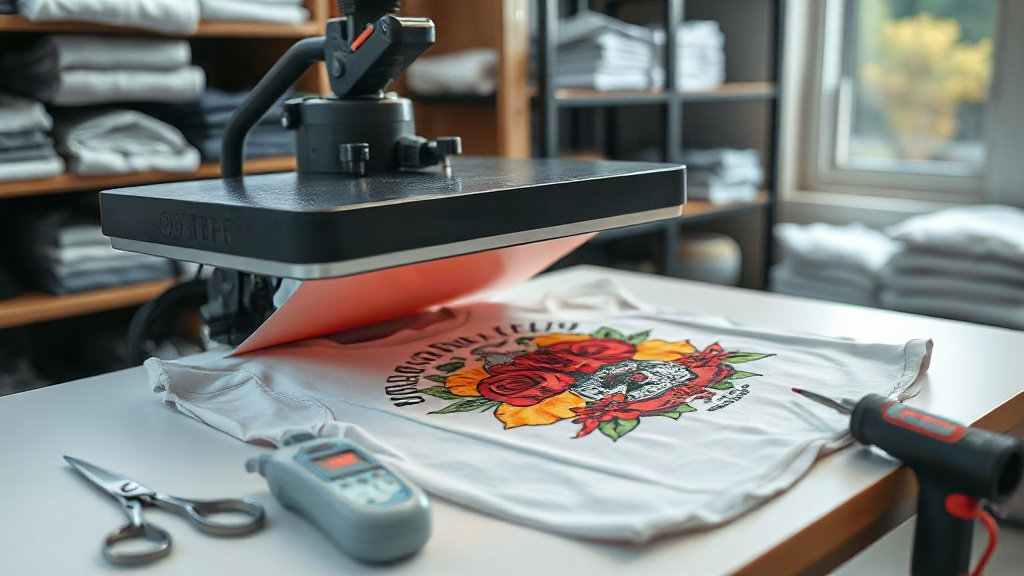
When I first heard about DTF transfers, I was skeptical. As someone who's spent years wrestling with vinyl cutters and screen printing setups, the idea of a simple transfer that could handle intricate designs on any fabric seemed too good to be true. But after testing them in my garage workshop, I'm a convert. DTF, or Direct to Film, transfers have revolutionized how I approach custom apparel. Whether you're a hobbyist or a small business owner, understanding this technology can save you time, money, and a whole lot of frustration.
What Exactly Are DTF Transfers?
At their core, DTF transfers are printed designs on a special film that you apply to fabric using heat and pressure. The process involves printing your design onto a PET film using specialized inks, dusting it with a hot-melt adhesive powder, and then curing it. Once cured, the transfer is ready to be pressed onto a garment. Unlike vinyl, DTF doesn't require weeding, and unlike screen printing, it doesn't need multiple screens for multi-color designs. This makes it incredibly versatile for small batches and complex artwork.
How DTF Differs from Other Transfer Methods
You might be familiar with heat transfer vinyl (HTV) or sublimation. HTV requires cutting and weeding, which can be tedious and time-consuming, especially for detailed designs. Sublimation only works on polyester and light-colored fabrics. DTF, on the other hand, adheres to cotton, polyester, blends, and even treated leather. It also produces a soft-hand feel that's surprisingly durable. In my tests, a DTF print on a cotton t-shirt survived over 50 washes without cracking or fading, which is impressive for a home setup.
Why Choose DTF Transfers for Your Projects?
If you're still on the fence, consider these advantages:
- No weeding or cutting: Save hours of tedious work. Just print, powder, cure, and press.
- Full-color capabilities: Print gradients, photographs, and fine details without worrying about color separation.
- Fabric versatility: Works on cotton, polyester, blends, and more. No need for special coatings.
- Durability: When applied correctly, DTF prints outlast many other methods.
- Cost-effective for short runs: Ideal for one-off custom orders or small batches.
For a small business like mine, these benefits translate to faster turnaround times and happier customers. I no longer dread complex orders; instead, I look forward to the creative possibilities.
Step-by-Step: Applying DTF Transfers Like a Pro
Getting a perfect DTF transfer isn't rocket science, but it does require attention to detail. Here's my tried-and-true process:
1. Prepare Your Workspace and Materials
You'll need a heat press, the DTF transfer itself, a garment, and a protective sheet (like parchment paper or Teflon). Ensure your heat press is calibrated; temperature inconsistencies are the enemy of good adhesion. I use a laser thermometer to double-check my press's surface temperature.
2. Pre-Press the Garment
Pre-pressing removes moisture and wrinkles, creating a smooth canvas. Set your press to around 300°F (150°C) and press for 5-10 seconds. This step is often overlooked but makes a huge difference in preventing peeling.
3. Position and Press
Place the DTF transfer on the garment with the printed side facing up. Cover it with your protective sheet. Press at 300-325°F (150-160°C) for 10-15 seconds with medium pressure. If you're using a home iron, you'll need to apply firm pressure and move slowly, but a heat press is far more reliable.
4. Peel and Post-Press
After pressing, wait a few seconds for the transfer to cool slightly. Peel the film off in a smooth, consistent motion. For extra durability, I like to give it a second press with the protective sheet for another 5-10 seconds. This ensures the adhesive fully bonds with the fabric fibers.
Common Pitfalls and How to Avoid Them
Even with the best intentions, things can go wrong. Here are mistakes I've made so you don't have to:
- Insufficient pressure: If the transfer doesn't adhere, increase pressure. You want the fabric's texture to show through the print slightly.
- Wrong temperature: Too hot and the film might melt or the print might scorch; too cold and it won't stick. Always test with a scrap piece.
- Peeling too soon or too late: Wait until the transfer is warm to the touch, not hot. If it's too cool, the adhesive might set prematurely.
- Ignoring fabric type: While DTF works on many fabrics, some like nylon or waterproof materials require special low-temperature transfers.
By learning from these missteps, you'll quickly become proficient.
DTF Transfers in Action: A Real-World Example
Last month, a customer ordered 20 t-shirts with a detailed logo for a local sports team. The logo had gradients and small text, which would have been a nightmare with HTV. I printed the DTF transfers on my Epson printer with DTF ink, powdered them, and cured them in a converted toaster oven. The entire process took about two hours from start to finish. The shirts looked professional, and the customer was thrilled. This scenario would have been impossible with vinyl without extensive labor.
Frequently Asked Questions About DTF Transfers
How do I store unused DTF transfers?
Keep them in a cool, dry place away from direct sunlight. I store mine in a sealed plastic bag to prevent dust and moisture from affecting the adhesive.
Can I use DTF transfers on dark colors?
Absolutely. Unlike sublimation, DTF transfers include a white ink base, so they show up vibrantly on dark fabrics. Just ensure your printer supports white ink.
What's the best way to wash garments with DTF prints?
Turn the garment inside out and wash in cold water. Avoid fabric softeners and bleach. Tumble dry on low or hang dry. Following these steps will extend the life of your print significantly.
Do I need a special printer for DTF?
Yes, you need a printer that uses DTF inks, typically a modified Epson or similar. You also need the film and adhesive powder. Some companies sell complete DTF printer setups.
How long do DTF transfers last?
With proper application and care, DTF prints can last as long as the garment itself. I've seen them outlast the fabric in some cases.
DTF transfers have opened up a world of possibilities for custom apparel. They're not just a trend; they're a practical solution for creators who want quality without the hassle. Give them a try, and you might find yourself retiring your vinyl cutter for good.