
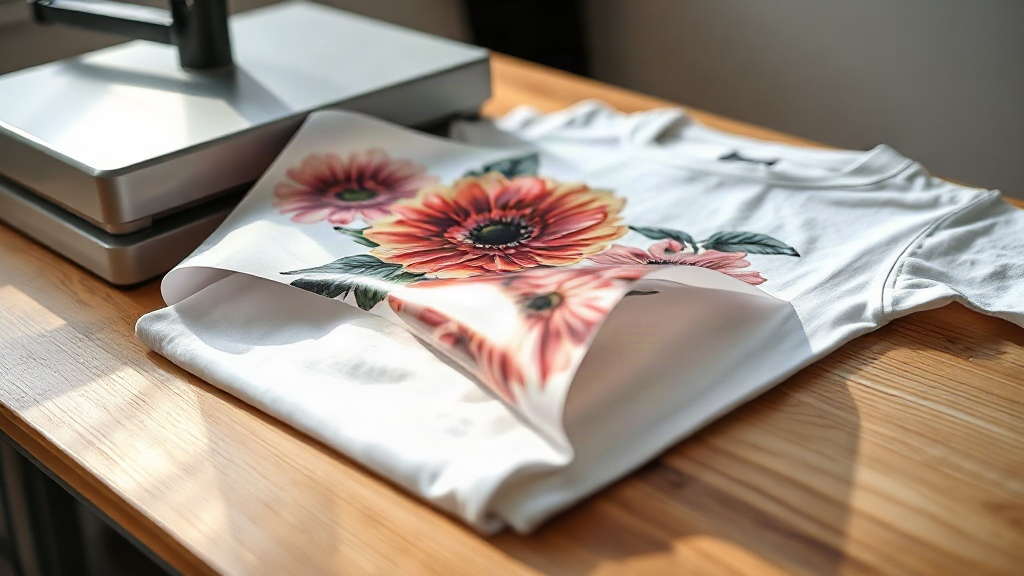
When I first heard about DTF transfers, I was skeptical. As someone who has spent years wrestling with vinyl cutters and screen printing, the idea of a digital transfer that could handle intricate details on any fabric seemed too good to be true. But after testing dozens of prints on everything from cotton tees to nylon jackets, I can confidently say that DTF (Direct to Film) has earned a permanent spot in my workshop. Whether you're a hobbyist or a small business owner, understanding DTF transfers can open up a world of possibilities for custom apparel.
What Exactly Are DTF Transfers?
At its core, a DTF transfer is a printed design on a special film that is coated with a heat-activated adhesive powder. The process involves printing your artwork onto the film using a DTF printer (often with pigment inks), applying a powder to the wet ink, curing the powder, and then transferring the design onto a garment with a heat press. Unlike DTG (Direct to Garment), which prints directly onto the fabric, DTF allows you to print on a wide range of materials, including cotton, polyester, blends, and even leather. The result is a soft, stretchable print that can withstand repeated washing.
Why DTF Stands Out from Other Methods
Screen printing is cost-effective for large orders but a nightmare for multi-color designs. DTG is great for cotton but struggles with synthetic fabrics. Vinyl is durable but limited in detail. DTF bridges these gaps: it handles fine lines, gradients, and photographs with ease, and it adheres to almost any fabric. Plus, you can prepare transfers in advance and store them, making it perfect for on-demand production.
Choosing the Right DTF Film and Supplies
Not all DTF films are created equal. I learned this the hard way when a batch of cheap film left me with cracked prints. Here's what to look for:
- Film thickness: Thinner films (around 75 microns) tend to produce softer prints, while thicker films (100 microns) are more forgiving during transfer but may feel stiffer.
- Coating quality: A uniform coating ensures the ink and powder adhere properly. Look for films with a matte finish, as they hold the powder better.
- Compatibility: Make sure your film works with your printer's ink type. Most DTF printers use pigment inks, but some modified EcoTank printers can work with specific DTF ink sets.
As for powder, you'll find two main types: fine and coarse. Fine powder (80-100 microns) is ideal for detailed designs, while coarse powder (150-200 microns) provides a stronger bond for large blocks of color. I keep both on hand and switch based on the design.
Printer and Ink Considerations
You don't need a dedicated DTF printer to get started. Many people convert Epson EcoTank models (like the ET-8550) with DTF ink and a roll feeder. However, if you plan to produce transfers regularly, investing in a purpose-built DTF printer will save you time and frustration. For ink, look for high-opacity pigment inks that are designed for DTF. They should be vibrant and able to pass the stretch test without cracking.
Step-by-Step DTF Transfer Application
Applying a DTF transfer is straightforward, but the details matter. Here's my tried-and-true process:
- Preheat the garment: This removes moisture and wrinkles. I set my heat press to 325°F (160°C) and pre-press for 5-10 seconds.
- Position the transfer: Place the film on the garment with the printed side facing up. If your design has fine details, use a piece of parchment paper over it to prevent sticking.
- Press: Apply medium pressure for 15-20 seconds at 325°F. If you're using a home iron, press firmly for 30-40 seconds, but be aware that results may vary.
- Peel: Wait for the transfer to cool completely (cold peel) or peel while warm (hot peel), depending on the film's instructions. Most DTF films are cold peel, but some are hot peel. I prefer cold peel for cleaner edges.
- Post-press (optional): For extra durability, cover the design with parchment paper and press again for 5-10 seconds.
Common Mistakes to Avoid
Even seasoned crafters slip up. Here are pitfalls I've encountered and how to dodge them:
- Insufficient pressure: If the transfer doesn't adhere, it's often because the pressure is too low. Increase it gradually until you get a good bond.
- Wrong temperature: Too hot and the film may scorch; too cool and the adhesive won't activate. Invest in an infrared thermometer to check your press's actual temperature.
- Peeling too early or too late: Follow the film's instructions. Peeling a cold-peel film while hot can cause the design to stretch or tear.
DTF vs. Other Transfer Methods: A Quick Comparison
How does DTF stack up against vinyl, DTG, and screen printing? Here's a snapshot:
- Vinyl: Great for simple, single-color designs but limited in complexity. DTF wins for detailed, multi-color artwork.
- DTG: Best for 100% cotton and small batches, but DTF offers better durability on synthetics and blends.
- Screen printing: Unbeatable for large runs of the same design, but DTF is more cost-effective for one-offs and intricate designs.
In my experience, DTF is the most versatile for a home studio or small shop where variety is key.
Frequently Asked Questions About DTF Transfers
How long do DTF transfers last on a shirt?
With proper application and care, DTF prints can last 50+ washes. Wash the garment inside out in cold water and avoid bleach or fabric softeners. Tumble dry on low or hang dry.
Can I use DTF transfers on dark fabrics?
Absolutely. DTF transfers include a white ink layer that makes colors pop on dark backgrounds. Just ensure your printer or transfer supplier includes white ink in the design.
Do I need a special printer for DTF?
Not necessarily. Many people start with a converted Epson EcoTank printer and DTF ink. However, a dedicated DTF printer will yield more consistent results and require less tinkering.
What's the best way to store unused DTF transfers?
Keep them in a cool, dry place away from direct sunlight. I store mine in a sealed plastic bag with a desiccant packet to prevent moisture damage. They can last for months if stored properly.
Can I layer DTF transfers?
Yes, you can layer DTF transfers, but it's tricky. Press the first transfer, then apply the second on top. Use a lower temperature and shorter time for the second press to avoid disturbing the first layer. For best results, design your artwork with layering in mind.
DTF transfers have revolutionized how I approach custom apparel. They offer a level of detail and versatility that was once reserved for commercial shops. With a bit of practice and the right supplies, you can achieve professional-looking results from your own home. So go ahead, experiment, and don't be afraid to make a few mistakes along the way. That's how we learn.