
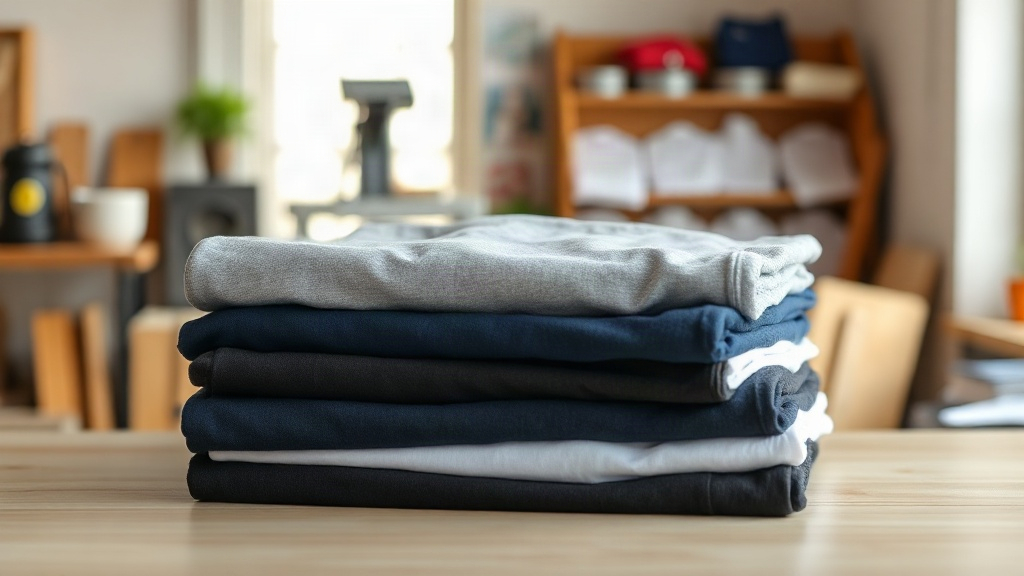
When you unbox a custom-printed hoodie or t-shirt, the first thing you notice is the fabric. Is it soft? Does it feel substantial? Will it survive a dozen washes? The answer lies in the blank you choose. In the custom apparel world, smart blanks have become the go-to foundation for creators who refuse to compromise on quality. Unlike generic blanks that often pill, shrink, or fade, smart blanks are engineered for decoration and durability. Whether you're a small business owner launching a merch line or a designer crafting limited-edition drops, understanding smart blanks is your ticket to products that customers actually want to wear.
What Exactly Are Smart Blanks?
Smart blanks are apparel items (t-shirts, hoodies, hats, totes) that are specifically designed to be decorated. They combine premium materials, consistent sizing, and construction details that make printing, embroidery, or heat transfer look professional. Think of them as the canvas for your art. A smart blank isn't just any t-shirt; it's a t-shirt that has been optimized for customization.
Key characteristics include:
- Fabric quality: Ring-spun cotton, cotton-poly blends, or tri-blends that feel soft and hold up over time.
- Consistent fit: Pre-shrunk and true to size, so your customers get what they expect.
- Print-friendly surface: Smooth, tight weave that allows inks and transfers to adhere evenly.
- Reinforced stitching: Double-needle hems and shoulder taping to prevent stretching.
- Colorfastness: Dyes that won't bleed or fade after washing.
These features might seem small, but they make a huge difference in the final product. A smart blank turns a simple print into a premium garment.
Why Smart Blanks Matter for Your Brand
If you're selling custom apparel, your reputation is on the line with every order. A customer who receives a shirt that shrinks two sizes or cracks after one wash won't come back. Smart blanks eliminate those risks. They provide a reliable foundation that keeps your brand's promise of quality.
Beyond customer satisfaction, smart blanks also affect your bottom line. Cheaper blanks might save you a few dollars upfront, but they often lead to returns, refunds, and negative reviews. Investing in smart blanks reduces waste and increases customer lifetime value. Plus, they're easier to work with, which means fewer production errors and faster turnaround times.
From a marketing perspective, smart blanks allow you to charge premium prices. When you hand someone a buttery-soft hoodie that fits perfectly, they'll happily pay more. That perceived value translates directly into higher margins.
How to Choose the Right Smart Blank for Your Project
Not all smart blanks are created equal. The best choice depends on your decoration method, target audience, and budget. Here's what to consider:
1. Fabric Composition
Cotton is king for screen printing because it takes ink well and feels natural. However, cotton-poly blends (like 50/50) are more durable and resist shrinking, making them great for athletic wear. Tri-blends (cotton, polyester, rayon) offer a vintage, ultra-soft feel that's popular in fashion-forward merch. For embroidery, choose a stable fabric like cotton twill or a tight-knit poly.
2. Weight and Hand Feel
Fabric weight is measured in ounces per square yard (oz/yd²). Lightweight (4-5 oz) is breathable and great for summer tees. Midweight (5.5-6.5 oz) is the sweet spot for year-round wear and holds prints well. Heavyweight (7+ oz) feels premium and is ideal for hoodies and outerwear. Consider your climate and customer preferences.
3. Fit and Sizing
Smart blanks come in various fits: slim, classic, relaxed, and oversized. Order samples to check sizing accuracy. A blank that runs small will frustrate customers. Look for pre-shrunk options to minimize surprises after washing.
4. Color Options
A wide color palette lets you match brand colors or offer variety. But remember: darker colors require a white underbase for screen printing, which adds cost. If you're using DTG (direct-to-garment) printing, lighter colors often yield more vibrant results.
5. Sustainability
Eco-conscious consumers care about where their clothes come from. Look for smart blanks made from organic cotton, recycled polyester, or produced in fair-trade certified factories. These details can be a selling point in your marketing.
Decorating Smart Blanks: Best Practices
Once you've selected your smart blanks, the next step is decoration. Each method has its nuances:
Screen Printing
Ideal for bold designs and large orders. Use plastisol inks for bright colors on cotton, or water-based inks for a soft, vintage look. Always test on a sample to ensure the ink adheres properly and doesn't bleed.
Direct-to-Garment (DTG)
Perfect for detailed, full-color designs and small batches. DTG works best on 100% cotton or high-cotton blends. Pre-treat the garment to improve ink absorption, and cure properly to prevent fading.
Heat Transfer Vinyl (HTV)
Great for names, numbers, and simple logos. Choose a high-quality vinyl that stretches with the fabric. Apply with consistent heat and pressure, and always peel when recommended (hot or cold).
Embroidery
Adds a premium, tactile feel. Use a cut-away backing for stability, and avoid overly dense designs that can pucker the fabric. Test stitch density on a scrap piece first.
Caring for Smart Blanks: Tips to Share with Customers
Even the best smart blank can degrade if washed improperly. Include a care card with each order to educate your customers:
- Wash inside out in cold water.
- Tumble dry low or hang dry.
- Do not iron directly on the print.
- Avoid bleach and fabric softeners.
These simple steps preserve the print and the fabric, ensuring your brand looks good for years.
Common Mistakes to Avoid with Smart Blanks
Newcomers often stumble in a few key areas. Here's what to watch out for:
- Choosing price over quality: Saving a dollar per blank can cost you ten in returns.
- Ignoring fabric-decorations compatibility: Not every blank works with every method. Always test.
- Skipping samples: Order a sample before a big run to check fit, feel, and print results.
- Neglecting size ratios: Order more medium and large sizes; they're the most popular.
- Forgetting about shrinkage: Pre-shrunk blanks are worth the extra cost.
Frequently Asked Questions About Smart Blanks
What are smart blanks, and why should I use them?
Smart blanks are apparel items designed specifically for decoration. They offer superior fabric, fit, and printability, resulting in higher-quality custom products that customers love. Using them reduces waste and boosts your brand's reputation.
How do I choose the best smart blank for screen printing?
For screen printing, look for 100% cotton or high-cotton blends with a smooth, tight weave. Ring-spun cotton is ideal because it's soft and takes ink well. Avoid heavily textured fabrics that can cause uneven prints.
Can I use smart blanks for embroidery?
Yes, but choose stable fabrics like cotton twill, pique, or tight-knit polyester. Avoid lightweight, stretchy materials that may pucker. Always use a cut-away stabilizer for best results.
Are smart blanks more expensive than regular blanks?
They typically cost a bit more upfront, but the higher quality leads to fewer returns, happier customers, and the ability to charge premium prices. In the long run, smart blanks are more cost-effective.
How should I care for smart blanks to make them last?
Wash inside out in cold water, tumble dry low or hang dry, and avoid ironing directly on the print. Following these steps will keep the fabric and decoration looking new for a long time.
Final Thoughts
Smart blanks are the unsung heroes of the custom apparel industry. They provide the quality, consistency, and durability that turn a simple idea into a product people cherish. By choosing the right blank for your project and following best practices for decoration and care, you'll build a brand known for excellence. So next time you plan a merch drop, start with smart blanks. Your customers will notice the difference, and your bottom line will thank you.