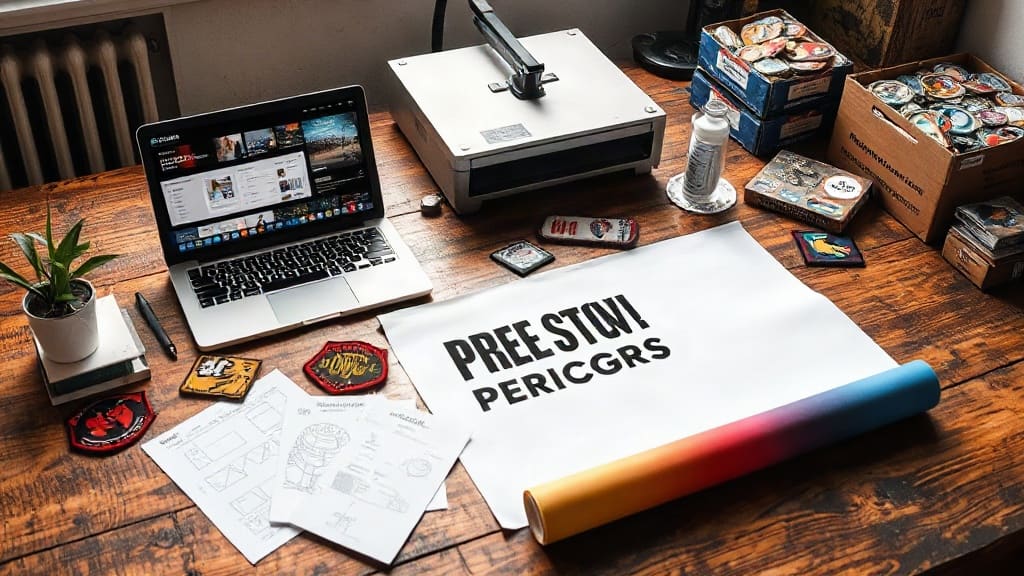
Are you dreaming of turning your creative ideas into a profitable online business without the hassle of inventory? The print on demand model has revolutionized how entrepreneurs launch products, offering a low-risk path to market. Instead of investing in bulk manufacturing, you upload designs, and a supplier prints and ships items only when a customer orders. This approach is perfect for those who want to test niches or build a brand without upfront costs. In this guide, we'll focus on two standout product categories that are often overlooked but highly customizable: custom patches and custom banner. These items can serve as the foundation for a unique print on demand store, appealing to communities, events, and businesses alike.
Why Choose Custom Patches and Banners for Print on Demand?
While t-shirts and mugs dominate the print on demand landscape, custom patches and banners offer a refreshing alternative that can set your store apart. Patches are versatile: they adorn jackets, backpacks, hats, and even uniforms, making them a favorite among scouts, bikers, gamers, and fashion enthusiasts. Banners, on the other hand, are essential for events, promotions, and personal celebrations. Both products have a personal touch that resonates with buyers, and they often come with higher perceived value. Moreover, they are less saturated than apparel, giving you a better chance to stand out in search results.
When you integrate these products into your print on demand strategy, you tap into niche markets that are passionate and engaged. For instance, a custom patch featuring a clever slogan for a niche hobby can become a bestseller if marketed correctly. Similarly, a custom banner for a birthday or corporate event is a must-have, and customers are willing to pay a premium for quality. The key is to understand your audience and design with their needs in mind.
Getting Started: Setting Up Your Print on Demand Store
Before you dive into product specifics, you need a platform to sell your goods. Here's a step-by-step breakdown of how to get your store off the ground.
Choose Your Platform
Popular e-commerce platforms like Shopify, Etsy, and WooCommerce integrate seamlessly with print on demand suppliers. Each has its pros and cons. Shopify offers robust features and a smooth user experience, but costs a monthly fee. Etsy is a marketplace with built-in traffic, ideal for handmade and custom items, but you'll face competition. WooCommerce gives you full control if you're comfortable with WordPress. Consider your technical skills and budget when making a choice.
Select a Reliable Print on Demand Supplier
Your supplier is your backbone. Research companies that specialize in patches and banners. Look for reviews, sample quality, and shipping times. Some suppliers may offer embroidery for patches, which adds texture and durability. For banners, ensure they offer various sizes and materials like vinyl or fabric. It's wise to order samples before committing to a partnership, as you'll want to verify quality firsthand.
Set Up Your Online Presence
Your store's design should reflect your brand. Use high-quality images and clear product descriptions. Since you're selling customizable products, make it easy for customers to upload their own designs or choose from your templates. Provide size guides and care instructions to reduce confusion. Also, integrate a reliable payment gateway and set up shipping policies transparently.
Designing Custom Patches That Sell
The success of your custom patches hinges on design. Here are actionable tips to create patches that customers will love.
Understand Patch Types and Shapes
Patches come in various forms: embroidered, woven, PVC, and printed. Embroidered patches have a classic look with raised threads, while woven patches allow for intricate details. PVC patches are durable and weatherproof, ideal for outdoor gear. Printed patches offer full-color possibilities but may not last as long. Consider the use case and design complexity when choosing a patch type. Also, think about shapes: circles, shields, and custom die-cut shapes add personality.
Design for Impact
Because patches are small, your design must be bold and readable from a distance. Use high-contrast colors and simple graphics. Avoid tiny text that becomes illegible when scaled down. If you're not a designer, tools like Canva can help you mock up designs, but for professional results, consider hiring a freelance designer. Remember to account for a border or hem allowance in your design file.
Offer Personalization Options
Many customers want patches for specific groups or events. Allow them to upload their own logos or text. For example, a company might order patches for their team uniforms, or a scout troop might need custom badges. By offering personalization, you expand your potential customer base. Make sure your supplier can handle one-off or small batch orders cost-effectively.
Creating Custom Banners That Capture Attention
Custom banners are powerful marketing tools. Here's how to dominate this niche.
Know Your Banner Types
Banners come in different materials and uses. Vinyl banners are durable and suitable for outdoor use, while fabric banners (like polyester) are great for indoor events with a more polished look. Also, consider mesh banners for windy areas, or retractable banners for trade shows. Each type serves a specific purpose, so offer a range to meet various customer needs.
Design for Readability and Branding
A banner's primary job is to convey a message at a glance. Use large fonts and spacious layouts. Keep your text concise; a common mistake is cramming too much information. Use high-resolution images and vector graphics for sharp printing. Pay attention to the aspect ratio and safe zones to avoid cropping. Include a clear call to action or contact information if applicable.
Provide Templates and Quick Customization
Customers often need banners quickly for an upcoming event. Offer intuitive online tools where they can input text, choose fonts, and upload logos. Pre-designed templates for occasions like birthdays, grand openings, or sales can speed up the process. Make sure your supplier has a fast turnaround for banner production.
Marketing Your Print on Demand Products
You have great products, but without a solid marketing plan, they won't sell. Here are strategies to get your store noticed.
Leverage Social Media
Instagram and Pinterest are visual platforms ideal for showcasing patches and banners. Post photos of your products in real-life settings. Create reels or pins that show the production process or unboxing. Use relevant hashtags like #custompatches or #eventbanner to reach your target audience. Collaborate with influencers in your niche to expand your reach.
Optimize for SEO
Your website's content should target keywords that potential customers use. Incorporate phrases like "custom patches for jackets" or "custom banner for birthday" naturally in your product titles and descriptions. Write blog posts that answer common questions, such as "How to attach patches" or "What size banner do I need?" This not only helps with search ranking but establishes you as an authority.
Email Marketing
Build an email list from early on. Offer a discount code in exchange for sign-ups. Send regular newsletters with new designs, customer stories, or seasonal offers. Personalize your emails based on previous purchases. For example, if a customer bought a patch, suggest a banner for their upcoming event. Email marketing has a high ROI, so don't neglect it.
Scaling Your Business: From Side Hustle to Success
Once you have a steady flow of orders, you'll want to scale. Here are advanced tips to grow your print on demand business.
Analyze Data and Trends
Use analytics tools to track which products perform best. Identify patterns in design styles or niches that are gaining traction. Adjust your offerings accordingly. For instance, if you notice a spike in custom patches for a particular sports team, create more designs in that vein, or run targeted ads.
Expand Your Product Line
While patches and banners are your core, consider adding complementary items like patches with hooks or display stands for banners. You can also explore other print on demand products such as tote bags or stickers that align with your brand. This encourages existing customers to buy more.
Automate and Streamline
As orders increase, manual processes will eat your time. Automate order routing to your supplier through integrations. Use customer relationship management tools to handle inquiries. Consider using a print on demand service that offers a dashboard to manage orders from multiple channels. Efficient operations free you to focus on creative and strategic work.
Common Pitfalls to Avoid in Print on Demand
To save you from costly mistakes, here are frequent errors beginners make.
- Choosing a low-quality supplier to save a few cents, which leads to unhappy customers.
- Ignoring mockup accuracy. Always double-check how your design will look on the actual product, including size and placement.
- Overcomplicating designs. Simplicity often sells better.
- Setting unrealistic shipping expectations. Especially for custom items, production time adds days to delivery.
- Neglecting customer service. A quick response to issues builds loyalty.
By avoiding these, you'll build a reputation for reliability and quality, which is crucial in the print on demand space.
Success Stories: Inspiration from Real Stores
Let's look at two hypothetical but realistic examples based on common success patterns. First, consider "Patchful Finds," a store that focuses on custom patches for pet owners. They offer patches shaped like dog breeds, and customers can add their pet's name. By targeting a passionate niche and leveraging Instagram's pet community, they grew to 500 orders a month within six months. Their secret was engaging with followers and featuring customer photos.
Another example is "Banner Moments," which specializes in custom banners for weddings and baby showers. They provide elegant templates and allow customers to preview their designs in real-time. Their blog with event ideas brought in organic traffic, and they now partner with event planners. Their attention to design and customer experience set them apart.
These stories illustrate that with clear positioning and dedication, you can achieve significant results.
Future Trends in Print on Demand
Staying ahead of trends can give you a competitive edge. Sustainability is a growing concern, so offering eco-friendly materials for patches and banners might attract conscious consumers. Personalization is also deepening; customers want unique products tailored to them. Technologies like 3D printing might open new possibilities for patches. Keep an eye on these developments and adapt.
Frequently Asked Questions
Do I need to have my own designs to sell custom patches and banners?
No, you can use designs from your own creativity or hire designers. Many print on demand suppliers offer design templates that you can customize. However, original designs help you stand out and avoid copyright issues. If you're not confident in design, start with simple concepts and gradually refine your skills.
How much can I earn with print on demand?
Earnings vary widely based on your niche, marketing, and pricing. For patches, profit margins are typically 30-50% of the sale price. Banners can have higher margins, especially for large sizes. Some sellers make a few hundred dollars a month, while others generate six-figure incomes. It depends on your effort and strategy.
What are the best platforms to sell print on demand products?
Shopify is excellent for building your own brand and store. Etsy is great for tapping into an existing market of buyers searching for custom items. Amazon Merch on Demand is another option, but it's more limited in product types. For beginners, starting with Etsy or Shopify is recommended.
How long does it take to receive a custom banner order?
Production time for banners is usually 2-5 business days, depending on the supplier and complexity. Shipping adds additional time based on the destination. Always communicate estimated delivery dates to your customers to manage expectations.
Can I sell products with copyrighted logos?
No, you should not use copyrighted logos or characters without permission. This violates intellectual property laws and can lead to legal issues and account suspension. Create original designs or use designs with proper licensing.
Conclusion
Starting a print on demand business with custom patches and custom banners is an exciting opportunity. The barriers are low, and the potential for creativity is high. By understanding your market, designing quality products, and marketing effectively, you can build a thriving online store. Remember to prioritize customer satisfaction and continuously learn from your experiences. So, take the first step today: brainstorm your niche, sketch a few designs, and open your digital doors to the world. Your future customers are waiting.