
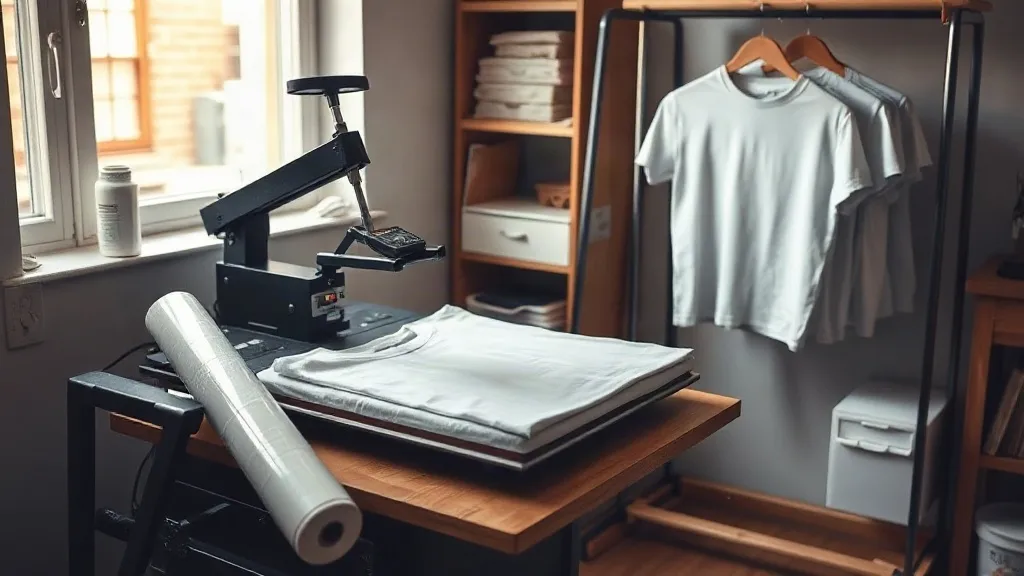
Walk into any small print shop these days and you will likely spot a roll of transfer film leaning against a wall, a shaker of adhesive powder on a shelf, and a heat press that never quite cools down. That scene has a lot to do with how dtf transfers changed the economics of garment decoration for people who do not own a full production line. If you run a one or two person operation out of a garage, a back room, or a shared studio, this guide is written for you: what actually matters when you adopt dtf, where the hidden costs sit, and how to keep customers happy without overpromising.
Why DTF Earned a Place in Small Shops
Screen printing rewards volume. Vinyl cutting rewards simple shapes. Sublimation rewards polyester. Each method has a narrow window where it makes financial sense, and for years small shops had to turn away the jobs that fell outside those windows: five shirts with a photo-realistic design, one hoodie with a full-color logo, a dozen tote bags for a weekend market. Direct-to-film fills that gap because it separates printing from pressing. You can print a batch of transfers on Monday, store them flat, and press them onto whatever garment a customer brings in on Friday.
The practicality of that separation is easy to underestimate until you have lived it. A customer orders eight shirts in mixed sizes and two colors. With screen printing you are burning screens for a tiny run. With DTF you print once at the correct dimensions and press each garment individually, adjusting pressure and time for the fabric in front of you. The setup cost does not scale with garment count the way it does with other methods, which is exactly why so many micro-shops have adopted it.
What You Actually Need to Get Started
Most people overbuy at the beginning. Before you spend money on a wide-format printer, think about the volume you genuinely expect in your first six months. Many shops start by ordering transfers from a production partner and only buy equipment once the order flow justifies it. That path lets you learn the pressing side of the craft, which is where most quality problems actually originate.
The minimum viable setup
- A heat press with reliable temperature and pressure control, ideally with a digital readout you trust
- Heat-resistant tape or a tack cloth to hold transfers in place
- A teflon sheet or protective paper to shield the press platen
- A cool-down surface so pressed garments do not get stacked while hot
- A simple record sheet for time, temperature, and pressure per fabric type
That last item sounds bureaucratic, but it is the single habit that separates shops with consistent output from shops that reprint constantly. When a customer returns a week later with a peeling design, your notes tell you whether the issue was fabric, pressure, or dwell time. Without them you are guessing.
If you buy your own printer
Owning the printer means owning maintenance. Printheads clog when idle, powder application needs to be even, and film quality varies more than vendors like to admit. Budget time each week for nozzle checks and cleaning, not just money for supplies. Shops that treat the printer as a set-and-forget appliance tend to burn out on DTF within a season. Shops that treat it like a small pet, fed and checked regularly, get years of reliable output.
Film, Powder, and the Details That Decide Quality
The transfer itself is a sandwich: a release film, a printed ink layer, and a hot-melt adhesive powder. Each layer has failure modes. Cheap film can wrinkle under heat or release too eagerly, leaving half the design stuck to the carrier. Uneven powdering produces a patchy bond, so some areas of the print hold and others lift after a few washes. Over-powdering is just as bad: the excess melts into a stiff crust that customers feel immediately when they put the shirt on.
A practical approach is to shake powder over the wet print, then tilt the film and tap the back gently so excess falls away before you cure it. Do this over a tray so you can collect and reuse the overshoot. Cure in an oven or under a heat source according to your powder's spec sheet, not according to a forum post from three years ago. Adhesive chemistry has changed, and old temperature advice can leave you with transfers that look fine on the rack and fail in the wash.
Reading the fabric before you press
Cotton, blends, and synthetics all behave differently under the same press settings. Cotton tolerates higher heat. Synthetics can scorch or develop a sheen if you push temperature too far. Nylon and some performance fabrics reject standard adhesives outright, so test on an offcut before committing a customer's garment. A simple test press on the inside hem, where nobody will see it, tells you more than any chart.
Pressing Workflow That Saves Rework
The most common mistake in small shops is pressing transfers the same way every time. Instead, build a short routine:
- Pre-press the garment for a few seconds to remove moisture and flatten the surface.
- Position the transfer, tack it with tape if it shifts, and cover with protective paper.
- Press at the temperature and pressure your notes recommend for that fabric.
- Peel according to your film's instructions, hot or cold, and do not improvise.
- Post-press briefly under the sheet to lock the edges, then let the garment cool flat.
Cooling flat matters more than people expect. Stacking warm garments encourages the adhesive to bond to whatever is touching it, and you end up with a transfer that looks pressed but has a compromised surface. A cheap drying rack solves this for good.
Pricing Transfers Without Underselling Yourself
New shops tend to price DTF by comparing it to vinyl, which undersells the work. Your price needs to cover film, ink, powder, press time, and the labor of handling a customer's garment with care. A useful exercise is to time yourself on a realistic order: ten shirts, mixed sizes, one design. Include the minutes spent checking the design file, printing, powdering, curing, pressing, and folding. Divide your total cost by the number of garments, then add your margin. Many owners discover their real cost per shirt is noticeably higher than the number they had been quoting.
There is also a positioning question. Customers who ask for dtf transfers near me are often comparing you to an online supplier who ships in a few days. Your advantage is turnaround and the ability to handle single pieces and odd fabrics. Price for that convenience rather than racing to match bulk online rates, which is a race a small shop rarely wins.
Buying Transfers Instead of Printing Them
Plenty of successful shops never buy a printer at all. They order transfers from a production partner, keep a small inventory of common sizes, and focus their energy on pressing, customer service, and design work. This model suits anyone whose strength is in talking to customers rather than troubleshooting nozzles. The tradeoff is a longer lead time and less control over film quality, so vet your supplier carefully: ask for samples, press them onto the fabrics you actually sell, and wash test a few before you commit to a large order.
When you search for dtf transfers near me, pay attention to whether the supplier publishes their powder and film specs. A vendor who can tell you exactly what adhesive they use and at what temperature it cures is usually one who understands the process. Vague answers are a warning sign.
Common Questions From Shop Owners
How long do DTF prints last after washing?
With correct pressing and proper powder curing, most prints survive dozens of wash cycles without visible cracking, though results depend heavily on fabric type and laundry habits. Washing inside out in cold water and avoiding high dryer heat noticeably extends life. Be honest with customers about this rather than promising permanence.
Can I press DTF onto dark and light garments the same way?
The transfer itself is opaque, so color of the garment does not change the process much. What changes is the fabric underneath. A black cotton tee and a white cotton tee press identically, but a black polyester blend may need lower temperature to avoid scorching or dye migration.
Do I need a special printer to make my own transfers?
You need a printer designed for DTF workflow, plus powder, film, and a curing method. Standard inkjet printers will not produce durable transfers. Many shops begin by outsourcing and only invest in equipment once they have steady demand.
Is DTF suitable for small orders like a single shirt?
Yes, and this is one of its strongest advantages. There is no screen or setup cost per design, so a one-off order is economically viable. That makes it a good fit for gifts, samples, and custom requests that other methods cannot handle profitably.
What causes transfers to peel at the edges?
Edge peeling usually traces back to insufficient pressure, uneven powder application, or peeling the film before the print has cooled enough. Check your press pressure first, then review your powdering routine, and keep notes so you can isolate the cause instead of changing three variables at once.