
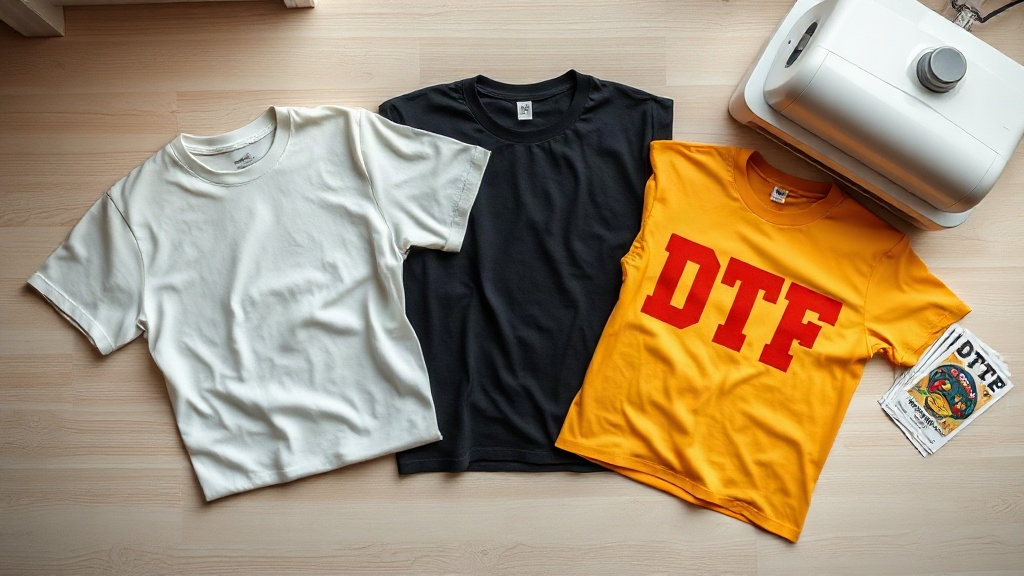
When you're building a custom apparel brand, the first big decision isn't your logo or your Instagram aesthetic. It's what you print on, and how you print it. I've watched dozens of small clothing labels launch with gorgeous designs only to get buried by blank costs, inconsistent fits, or a heat press that ruined half their first run. The three paths most founders end up weighing are smart blanks, shaka wear, and dtf transfers. Each one solves a different problem, and picking the wrong one for your stage can drain your budget fast. Let's break down what actually matters.
What Are Smart Blanks, Really?
The term smart blanks gets thrown around a lot, but it generally refers to blank garments that are engineered for decoration. Think ringspun cotton tees with a tight, smooth surface, consistent sizing across colors, and minimal shrinkage after washing. These aren't your big-box multipacks. They're made for screen printers, embroiderers, and heat-transfer folks who need the fabric to behave the same way every single time.
I remember a client who switched from a generic 5.3 oz cotton tee to a 4.3 oz ringspun smart blank. Her DTF prints went from cracking at the shoulders to stretching with the fabric without a single crack. The difference wasn't the print method. It was the blank's fiber length and knit density. When you choose smart blanks, you're paying a little more per unit, but you're buying predictability. And predictability is what lets you scale without refunds eating your profit.
Key traits to look for in smart blanks
- Fabric weight and weave: 4.0 to 4.5 oz ringspun cotton works best for DTF and screen printing. Heavier open-end cotton feels cheaper and prints less crisply.
- Pre-shrunk or compacted: Look for labels that state low shrinkage. If a blank shrinks a full size, your customers will notice after the first wash.
- Consistent dye lots: Ordering 50 black tees today and 50 more next month should not give you two different shades of black.
- Neck rib and shoulder taping: These details separate a blank that lasts five washes from one that lasts fifty.
If you're printing on demand or running small batches, smart blanks reduce waste because you're not fighting the fabric. The upfront cost per shirt might be two or three dollars more, but your reprint rate drops dramatically.
Shaka Wear: The Heavyweight Contender
Shaka Wear has carved out a loyal following among streetwear and skate brands. Their blanks are known for a boxy, oversized fit and heavier cotton, often in the 6.0 to 7.0 oz range. That weight gives a structured drape that photographs beautifully and holds up to aggressive washing. If your brand aesthetic leans toward street culture, Shaka Wear might already be on your radar.
But here's what nobody tells you: heavy blanks are not automatically better for every decoration method. I've seen DTF transfers applied to a 7 oz Shaka Wear tee that felt stiff as cardboard because the printer used a transfer designed for lighter fabrics. The adhesive didn't flex with the thicker weave, and the print cracked within a week. The lesson? Match your transfer to your blank weight. Heavyweight blanks need a DTF film with a high-flex adhesive and a longer press time.
When Shaka Wear makes sense
- You're building a streetwear or skate brand where the oversized silhouette is part of the identity.
- Your customers expect a premium, heavy feel and are willing to pay $35 to $60 per piece.
- You're printing large front or back graphics that benefit from a stable, thick canvas.
- You want a blank that survives repeated wear and tear without losing shape.
On the flip side, if you're making athletic wear, baby tees, or anything that needs drape and breathability, a heavy Shaka Wear blank will feel wrong in your customer's hands. Know your audience before you commit to a heavyweight supplier.
DTF Transfers: The Flexible Workhorse
DTF transfers have exploded in popularity for good reason. They let you print full-color, photographic-quality designs without minimums, without screens, and without color limitations. You can order a single transfer or ten thousand, and the per-unit cost stays reasonable. For small brands testing designs, that flexibility is gold.
I've run DTF transfers on everything from 100% cotton to 50/50 blends to polyester performance wear. The key is using a transfer that matches the fabric. A standard DTF transfer on a 100% cotton smart blank feels soft after the first wash and holds up for years. The same transfer on a nylon jacket? It'll peel. That's not a knock on DTF. It's a reminder that dtf transfers are a tool, not a magic wand.
How to get the most from DTF transfers
- Press parameters matter: Most DTF films need 320°F for 15 seconds with medium pressure, then a second press after peeling for 5 seconds. Skipping the second press is the number one cause of cracking.
- Pre-press your garment: Moisture is the enemy. A 5-second pre-press removes wrinkles and moisture so the transfer adheres evenly.
- Choose the right film: Standard DTF for cotton, low-temp DTF for heat-sensitive fabrics, and stretch DTF for spandex blends.
- Store transfers properly: Keep them in a cool, dry place away from direct sunlight. Humidity ruins the adhesive.
When you pair high-quality dtf transfers with well-made smart blanks, you get a combination that rivals screen printing for durability and beats it on flexibility. That's the sweet spot many growing brands settle into.
Cost, Speed, and Quality: The Real Trade-Offs
Let's talk numbers without the fluff. A mid-weight smart blank might cost you $6 to $9 per unit in bulk. A Shaka Wear heavyweight tee runs $10 to $14. A DTF transfer costs $1.50 to $4 depending on size and quantity. Add labor, packaging, and shipping, and your landed cost per finished piece lands somewhere between $12 and $22.
Speed is where dtf transfers win. You can order transfers today, press them tomorrow, and ship the day after. Screen printing requires screens, setup, and drying time. Embroidery requires digitizing and a machine. DTF is the fastest path from design file to finished product.
Quality is where smart blanks and Shaka Wear separate themselves. A cheap blank will pill, shrink, and twist. A premium blank keeps its shape and color. Your customers might not know the difference between 4.3 oz and 5.3 oz cotton, but they will notice when a shirt feels rough or falls apart after three washes.
Which Path Should You Choose?
If you're just starting and want to test designs with minimal risk, go with dtf transfers on a mid-weight smart blank. You'll keep costs low, iterate fast, and learn what sells. Once you have a winner, consider upgrading to a heavier Shaka Wear blank for a premium version, or stick with smart blanks and scale your DTF production.
If your brand identity is built on streetwear aesthetics and your customers expect a substantial feel, Shaka Wear is a strong foundation. Just make sure your DTF transfers are spec'd for heavyweight fabric.
If you're doing high-volume runs of a single design and want the lowest per-unit cost, screen printing on smart blanks still wins. But for everything else, DTF is the most versatile tool in your shop.
Frequently Asked Questions
Can I use DTF transfers on Shaka Wear heavyweight tees?
Yes, but you need a DTF transfer designed for heavy cotton. Use a high-flex adhesive film, increase your press time to 20 seconds, and always do a second press after peeling. This prevents the print from cracking when the thicker fabric flexes.
Are smart blanks worth the extra cost compared to cheap tees?
Absolutely. Smart blanks cost a few dollars more per unit, but they shrink less, print better, and last longer. That means fewer returns, fewer refunds, and happier customers. Over a year, the savings from not reprinting orders usually outweigh the higher upfront cost.
What's the minimum order for DTF transfers?
Most DTF suppliers have no minimum. You can order one transfer or ten thousand. That makes DTF ideal for small brands testing new designs without committing to inventory.
How do I wash a DTF-printed shirt?
Turn it inside out, wash cold, and tumble dry low. Avoid fabric softener and bleach. If you follow those rules, a quality DTF print on a smart blank will outlast the shirt itself.
Which is better for a streetwear brand: Shaka Wear or smart blanks?
It depends on your aesthetic. Shaka Wear offers a heavier, boxier fit that suits streetwear and skate styles. Smart blanks offer a smoother, more fitted canvas that works for a wider range of designs. Many brands use both, reserving Shaka Wear for premium drops and smart blanks for everyday essentials.