
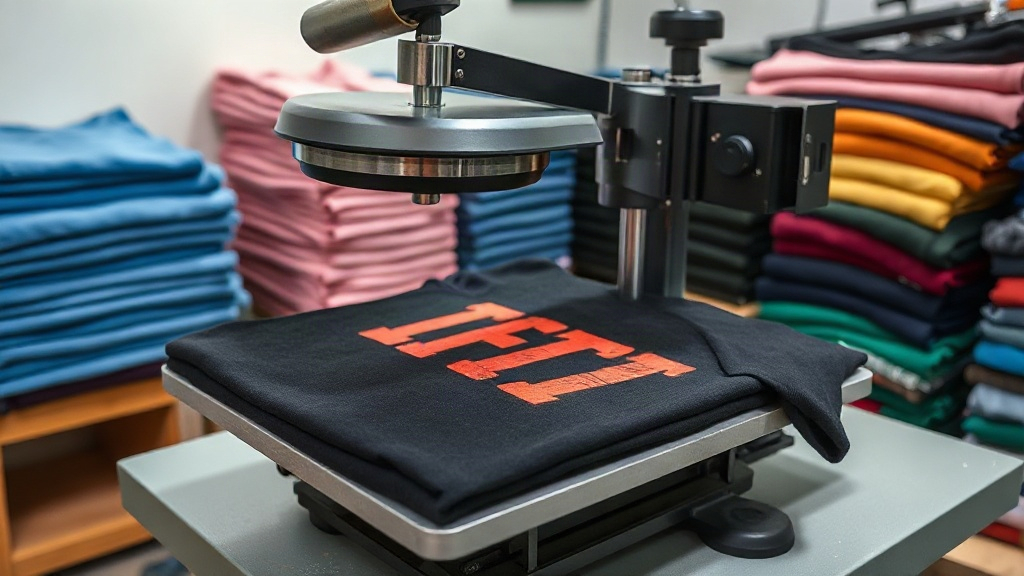
When you pull a fresh DTF transfer off the press, the last thing you want is a print that looks dull, cracks after a few washes, or feels like a plastic patch. The difference between a professional-looking garment and a disappointing one often comes down to one critical choice: the blank itself. Not all blanks are created equal, and that's where the concept of smart blanks comes in. These are garments engineered with the right fabric blend, weight, and finish to maximize print quality and durability. In this article, we'll explore why smart blanks are essential for DTF printing, highlight Shaka Wear as a standout option, and share actionable tips to help you achieve flawless results every time.
What Are Smart Blanks and Why Do They Matter for DTF Transfers?
Smart blanks are apparel pieces specifically designed to work in harmony with modern printing techniques like DTF. Unlike generic blanks that may have inconsistent fabric blends or rough surfaces, smart blanks offer a smooth, even weave that allows the transfer to adhere uniformly. They also maintain their shape and color after multiple washes, ensuring the print stays put. For DTF transfers, which rely on a thermoplastic powder adhesive, the blank's fiber composition is crucial. Polyester and cotton blends are common, but the ratio matters: too much cotton can cause the print to fade, while too much polyester can lead to dye migration. Smart blanks are optimized to strike the perfect balance, giving you vibrant colors and a soft hand feel.
Why Shaka Wear Stands Out as a Smart Blank
Among the many blank brands available, Shaka Wear has earned a loyal following among printers who demand consistency and quality. Their garments are known for their heavyweight construction, tight knit, and exceptional colorfastness. But what makes Shaka Wear particularly smart for DTF transfers? Let's break it down.
Fabric Composition and Weave
Shaka Wear tees and hoodies typically feature a high cotton content, often 100% cotton or a cotton-poly blend. Their fabric is ring-spun, which means the fibers are combed and twisted to create a smoother, stronger yarn. This results in a surface that's free of imperfections and provides excellent adhesion for DTF transfers. The tight weave also prevents the transfer from sinking into the fabric, preserving fine details.
Durability and Color Retention
One of the biggest challenges with DTF printing is dye migration, where the garment's dye sublimates into the transfer, causing discoloration. Shaka Wear uses high-quality dyes and rigorous quality control to minimize this risk. Their blanks hold their color wash after wash, so your prints stay vibrant. Additionally, the heavyweight fabric resists stretching and shrinking, which can distort the print over time.
Consistency Across Batches
For print shops, consistency is key. Shaka Wear is manufactured to tight tolerances, so you can order the same style repeatedly and get the same results. This reliability reduces waste and ensures customer satisfaction.
How to Achieve Flawless DTF Transfers on Smart Blanks
Even with the best blank, technique matters. Here are some expert tips to get the most out of your DTF transfers on smart blanks like Shaka Wear.
1. Pre-Treat the Garment
Before pressing, always pre-press the garment for a few seconds to remove moisture and wrinkles. This step is often overlooked but can make a big difference. Moisture can turn to steam during pressing, causing the transfer to lift or bubble. Set your heat press to around 300°F (150°C) and press for 5-10 seconds.
2. Adjust Pressure and Temperature
DTF transfers typically require medium to high pressure and a temperature of 325°F (160°C) for 15-20 seconds. However, the exact settings can vary depending on the transfer film and the blank. For Shaka Wear's heavier fabrics, you might need slightly higher pressure to ensure the adhesive penetrates the fibers. Always do a test press on a scrap piece to dial in your settings.
3. Peel with Care
After pressing, let the transfer cool completely before peeling. This is known as a cold peel. Peeling while hot can cause the design to stretch or tear. Once cooled, peel the film in a smooth, steady motion. If any part of the design lifts, re-press for a few seconds.
4. Post-Press for Durability
For added durability, especially on areas that stretch, consider a second press with a Teflon sheet or parchment paper for 5-10 seconds. This helps the adhesive fully cure and bond with the fabric.
Common Pitfalls to Avoid with DTF Transfers
Even with smart blanks, mistakes can happen. Here are some pitfalls to watch out for.
- Using too much heat: Overheating can scorch the fabric or cause the transfer to yellow. Stick to recommended temperatures.
- Insufficient pressure: Without enough pressure, the transfer won't adhere properly and may peel off after washing.
- Ignoring fabric type: Not all blanks are smart. Always test on a sample before a full production run.
- Skipping the pre-press: This step removes moisture and wrinkles, ensuring a smooth application.
Choosing the Right Smart Blank for Your Project
Not all projects call for the same blank. Consider these factors when selecting a smart blank:
- Fabric weight: Heavier fabrics like those from Shaka Wear are great for hoodies and tees that need to hold their shape. Lighter fabrics may be better for summer wear.
- Color: Dark colors can make prints pop, but they also require more ink and may be prone to dye migration. Smart blanks are treated to minimize this.
- Stretch: If the garment stretches, the print must stretch with it. Look for blanks with some elastane or a knit that allows for flexibility.
- Washability: If the garment will be washed frequently, choose a blank with excellent colorfastness and durability.
Real-World Example: Custom Team Jerseys with Shaka Wear and DTF
Let's say you're printing custom jerseys for a local basketball team. You need blanks that can withstand intense physical activity and frequent washing, while keeping the numbers and logos vibrant. Shaka Wear's heavyweight cotton tees are a smart choice. After pressing DTF transfers with the team's logo, you'll find that the prints remain flexible and don't crack when the players move. The jerseys also maintain their color after multiple washes, so the team looks sharp all season. This is the power of combining smart blanks with quality DTF transfers.
Frequently Asked Questions
What are smart blanks and why are they important for DTF transfers?
Smart blanks are garments engineered with optimal fabric blends and finishes to ensure DTF transfers adhere well and last long. They prevent issues like dye migration, cracking, and fading, giving you professional results.
Is Shaka Wear a good choice for DTF printing?
Absolutely. Shaka Wear is known for its heavyweight, ring-spun cotton and tight weave, which provide an ideal surface for DTF transfers. Their consistency and durability make them a top pick for print shops.
How do I prevent DTF transfers from peeling off?
Ensure you use the correct pressure and temperature, pre-press the garment, and allow the transfer to cool before peeling. Post-pressing with a Teflon sheet can also improve adhesion.
Can I use DTF transfers on any fabric?
DTF transfers work best on cotton and cotton-poly blends. While they can be applied to other fabrics, results may vary. Always test on a sample first, especially with smart blanks.
What temperature should I use for DTF transfers on Shaka Wear?
For Shaka Wear blanks, set your heat press to around 325°F (160°C) for 15-20 seconds with medium to high pressure. Adjust based on your specific transfer and press.