
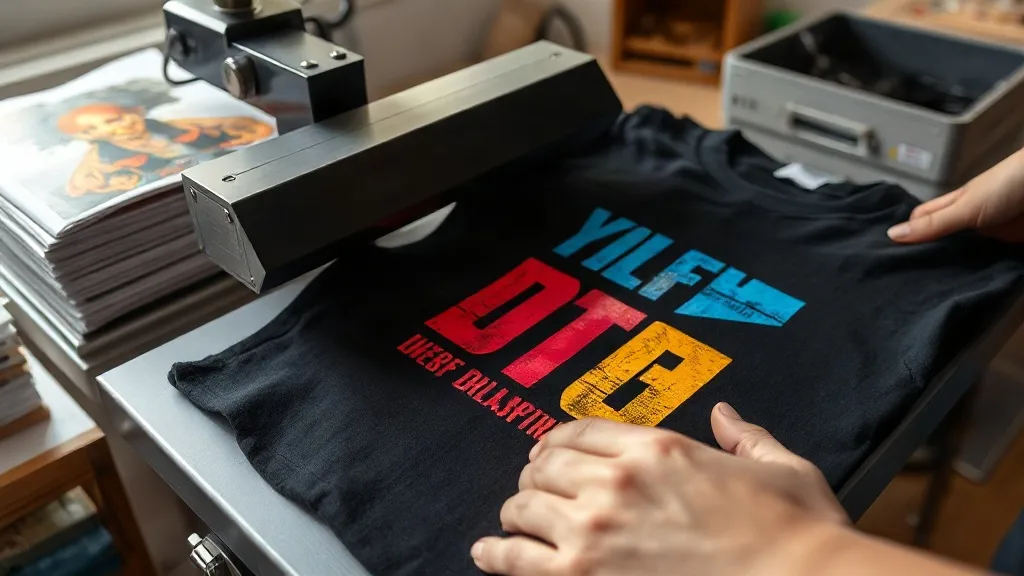
When you run a custom apparel business, the method you choose for decorating garments can make or break your reputation. Heat transfer vinyl, screen printing, and direct-to-garment printing each have their strengths, but one technology has been steadily gaining ground: dtf transfers. If you have been curious about this method but unsure where to start, this guide will walk you through everything you need to know, from the basics to pro tips for flawless application.
What Are DTF Transfers?
DTF stands for direct-to-film. It is a printing technique where your design is printed onto a special film, coated with a powdered adhesive, and then heat-pressed onto fabric. Unlike DTG, which prints directly onto the garment, DTF transfers let you print the design separately and apply it later. This opens up a world of possibilities for small businesses, hobbyists, and large-scale operations alike.
The process involves printing with special DTF inks onto a PET film. While the ink is still wet, a hot-melt adhesive powder is applied, then the film is cured. When you are ready to apply the design, you simply place the film on the fabric, heat press it, and peel away the film, leaving the design bonded to the fabric.
Why Choose DTF Transfers?
There are several compelling reasons why dtf transfers have become a go-to for many in the custom apparel industry. Let's break down the key benefits.
Versatility Across Fabrics
One of the biggest advantages of DTF is that it works on a wide range of materials, including cotton, polyester, blends, and even some nylons. This is a significant edge over DTG, which often requires pre-treatment and works best on 100% cotton. With DTF, you can decorate almost any fabric without worrying about compatibility issues.
Durability and Wash Resistance
DTF transfers are known for their durability. When applied correctly, the design stretches with the fabric and resists cracking, peeling, and fading even after multiple washes. This makes it ideal for items that will see heavy use, like sports jerseys, workwear, and children's clothing. The adhesive powder creates a strong bond that holds up over time.
Cost-Effective for Small Runs
Unlike screen printing, which requires separate screens for each color and becomes cost-effective only at higher quantities, DTF is economical for short runs. You can print one-offs or small batches without incurring setup costs. This is perfect for small businesses, personalized gifts, or sampling before a larger order.
Vibrant Colors and Fine Details
DTF printers can produce high-resolution prints with vibrant colors and fine details, including gradients and photographic images. The white ink base ensures that colors pop even on dark fabrics, something that can be tricky with other methods.
The DTF Transfer Process Step by Step
Understanding the workflow helps you appreciate the craft and avoid mistakes. Here's how it goes from digital file to finished garment.
1. Design Preparation
Start with a high-quality digital file, preferably in PNG format with a transparent background at 300 DPI. Remember that DTF prints are mirrored by default, so you need to flip your design horizontally before printing. This is crucial because the film is placed face down on the fabric.
2. Printing
Load the DTF film into your printer and print using DTF inks. The printer lays down a layer of white ink first (if needed) and then the color inks. Some printers have a white ink circulation system to prevent clogging, so regular maintenance is key.
3. Powder Application
While the ink is still wet, sprinkle the hot-melt adhesive powder evenly over the design. Shake off the excess and return it to the container for reuse. This step is critical for creating a strong bond.
4. Curing
Place the film in a curing oven or under a heat press for a short time to melt the powder. The temperature and time depend on the powder and film specifications, typically around 100-120°C for 2-3 minutes. Overcuring can cause the film to warp, so follow the guidelines.
5. Heat Pressing
Now the transfer is ready. Set your heat press to the recommended temperature (usually 150-160°C) and pressure (medium to firm). Place the garment on the press, position the transfer film on top with the design facing down, and press for 10-15 seconds. Then peel the film off while it's still warm (or cold, depending on the film type).
Tips for Flawless DTF Transfers
Even with a straightforward process, small details can make a big difference. Here are some practical tips to ensure success.
- Pre-press the garment: This removes moisture and wrinkles, providing a smooth surface for the transfer.
- Use the right pressure: Too little pressure and the design won't adhere; too much and the adhesive may bleed. Find the sweet spot for your press.
- Peel technique: For most films, peel immediately after pressing while still hot. Use a smooth, consistent motion.
- Post-press: After peeling, press the design again for a few seconds with a protective sheet to enhance durability.
- Storage: Store unused transfers in a cool, dry place away from direct sunlight to prevent the adhesive from activating prematurely.
DTF vs Other Printing Methods
How does DTF stack up against the competition? Let's compare.
DTF vs DTG
DTG prints directly onto the garment, which can be faster for single items but requires pre-treatment and works best on cotton. DTF works on more fabrics and often has a softer hand feel after washing. DTF also allows you to prepare transfers in advance, which is great for on-demand production.
DTF vs Screen Printing
Screen printing is unbeatable for large orders of simple designs with few colors. But for complex, multicolor designs or small runs, DTF is more cost-effective and doesn't require screens. DTF also handles gradients and photos better.
DTF vs Heat Transfer Vinyl (HTV)
HTV is great for simple shapes and text, but it can't handle intricate details or full-color images. DTF excels at detailed, multicolor designs and doesn't require weeding, saving time and labor.
Common Mistakes to Avoid
Learning from others' mistakes can save you time and materials. Watch out for these pitfalls.
- Using low-quality film: Cheap film can cause inconsistent adhesion and poor durability. Invest in reputable brands.
- Incorrect powder application: Too much powder leads to a stiff, plastic-like feel; too little and the design peels. Aim for an even coat.
- Ignoring fabric type: Some fabrics, like those with heavy coatings or waterproof finishes, may not accept DTF well. Always test on a swatch.
- Skipping the pre-press: Moisture is the enemy of adhesion. Always pre-press to remove it.
- Peeling at the wrong temperature: Follow the film manufacturer's instructions for hot or cold peel.
Applications and Ideas
DTF transfers open up a wide range of creative possibilities. Here are just a few ways you can use them.
- Custom t-shirts: From family reunions to business promotions, DTF lets you create vibrant, detailed designs on any color shirt.
- Sportswear: Team jerseys, yoga pants, and jackets benefit from DTF's stretchability and durability.
- Accessories: Tote bags, hats, and even shoes can be decorated with DTF transfers.
- Corporate apparel: Uniforms and promotional items with complex logos or gradients.
- Personalized gifts: One-off designs for birthdays, weddings, and holidays.
Frequently Asked Questions
How long do DTF transfers last?
With proper application and care, DTF transfers can last as long as the garment itself. They withstand dozens of washes without significant fading or cracking. Following washing instructions (inside out, cold water, no harsh chemicals) will maximize longevity.
Can I apply DTF transfers to dark fabrics?
Absolutely. DTF transfers include a white ink layer that acts as a base, allowing colors to appear vibrant on dark backgrounds. This is one of the key advantages over other methods.
Do I need a special printer for DTF?
Yes, DTF requires a printer that uses DTF inks and is capable of printing on film. However, you can also buy pre-printed transfers from suppliers if you don't want to invest in a printer.
What is the best temperature for pressing DTF transfers?
Most DTF transfers are pressed at 150-160°C (300-320°F) for 10-15 seconds. Always check the instructions provided with your specific film and powder, as they can vary.
Can I stretch DTF transfers?
Yes, DTF transfers are flexible and will stretch with the fabric. However, excessive stretching may cause the design to crack over time, so it's best to avoid stretching the printed area beyond its natural limit.
Final Thoughts
DTF transfers have revolutionized the custom apparel industry by offering versatility, durability, and cost-effectiveness. Whether you're a small business owner or a DIY enthusiast, mastering DTF can elevate your creations. Remember to start with quality materials, follow the process carefully, and practice on scrap fabric. With a bit of patience, you'll be producing professional-grade apparel in no time. For high-quality DTF transfers and supplies, explore trusted suppliers and keep experimenting with new designs.