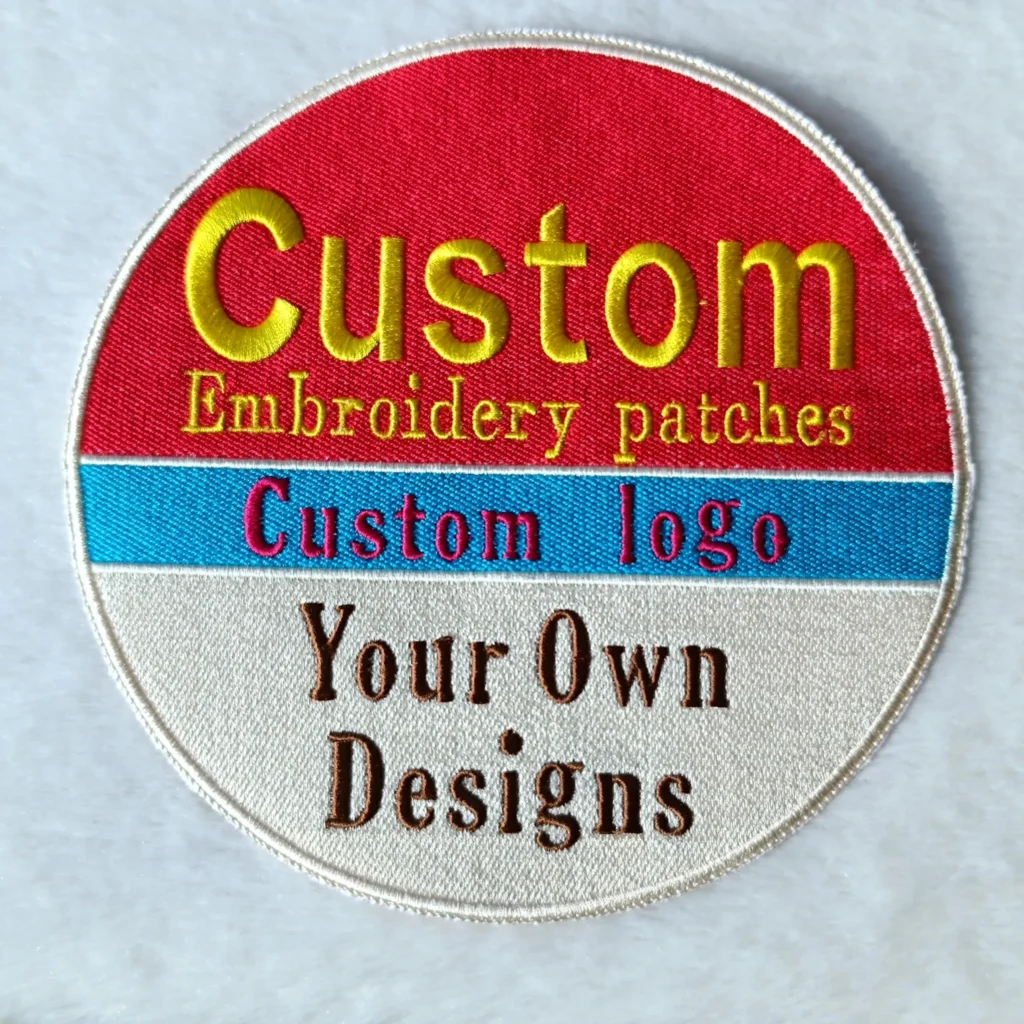
Custom embroidered patches are a versatile tool for branding, team identity, and personal style, offering a tangible way to showcase logos on uniforms, jackets, hats, or bags, and reviving heritage looks for clubs, schools, and hobby projects. The journey starts with thoughtful embroidered patch design, translating artwork into stitches through simplification, color selection, and planning to ensure legibility across sizes, while preserving brand integrity and production efficiency. From there, the patch production process blends artistry with machine readiness, while designers brainstorm custom patch ideas that stay readable when scaled down and stay true to brand colors, textures, and fabric constraints. Choosing patch backing and materials affects durability and how the patch sits on fabric, with options like twill, felt, or canvas influencing texture, weight, and wear while supporting long-term branding. Final decisions around patch sizes and shapes, edge finishes, and production timelines complete the plan before stitching begins, ensuring consistent coverage on garments and predictable costs for batches of any size.
Beyond patches, the concept extends to fabric badges and embroidered emblems that can be stitched onto uniforms, caps, or apparel to convey affiliation, achievement, or brand identity. From a practical standpoint, the design phase remains about translating artwork into durable stitches, selecting textiles or backing, and choosing finishes that hold up to washing and wear. In industry terms, you’ll hear references to badge design, sew-on insignias, textile patches, and embroidered emblems, all signaling the same goal of clarity and visual impact. Whether described as embroidered badges or stitched patches, the core value is consistent branding, scalable production, and a toolkit of sizes and shapes that fit different garments and campaigns.
Embroidered Patch Design: From Concept to Vectorization
Great patches start with a clear concept that translates into an embroidered patch design. In this phase, you simplify complex images, extract essential elements, and decide on a color palette that remains legible on different fabrics. If you’re starting from a logo or illustration, vectorizing the artwork helps maintain crisp lines when scaled to smaller patches and still feels impactful on larger formats.
Digitizing and color strategy are central to turning concept into stitch commands. The embroidery digitizer maps color blocks to thread types, choosing satin stitches for outlines and fill stitches for large color areas. Avoid tiny details that won’t render well at small sizes, and use color approximations that stay true to your brand—these choices are core to the embroidered patch design and tie directly into the broader patch production process.
The Patch Production Process: Steps from Artwork to Finish
The patch production process begins with artwork review and digitizing. A designer cleans up the image, identifies color zones, and sets stitch types and densities to balance detail with fabric support. This step lays the foundation for consistent results across runs and minimizes surprises in later production.
Proofing, sampling, and setup complete the initial phase. You’ll review a digital proof and a physical sample patch to verify scale and color accuracy before mass production. Then the embroidery setup, density decisions, and edge finishing are tuned to suit the garment and backing, ensuring the patch production process delivers reliable, repeatable results.
Patch Backing and Materials: Durability, Feel, and Suitability
Patch backing and materials influence durability, feel, and how the patch sits on garments. Popular fabrics like twill, felt, and Oxford cloth each contribute a distinct texture and appearance, affecting stitch density and edge finish choices. Selecting the right material helps the final patch blend with uniforms, casual wear, or workwear.
Backing options determine attachment method and user convenience. Iron-on backings offer quick application, sew-on backings provide long-term security, and adhesive backings suit temporary placements. If you expect frequent washing, choose a stronger backing and edge finish to preserve shape and legibility.
Patch Sizes and Shapes: Design, Cost, and Edge Finishes
Patch sizes and shapes influence visibility and production cost. Smaller patches require simpler designs, while larger patches accommodate more detail. Common shapes include circles, ovals, shields, and custom contours that follow the artwork, helping you balance branding with practicality.
Edge finishing also affects wear and aesthetics. Merrowed (overlocked) edges seal the design for durability, while laser-cut edges offer a modern, clean look. The chosen edge finish should align with the patch’s size, backing, and intended garment type to optimize wear characteristics.
Color Strategy, Density, and Quality Control in Embroidery
Color strategy and density are central to achieving strong, brand-consistent embroidery. Plan a thread palette that matches your logo while considering color fastness and thread brightness on the chosen fabric. Limiting color counts can reduce production complexity without sacrificing impact.
Quality control and proofing ensure reliable results. Review color consistency across patches, test print or mock patches, and validate stitching density and backing adhesion. A small batch test on the actual garment helps confirm how memory, wash, and wear affect the final look.
Custom Patch Ideas and Use Cases for Custom Embroidered Patches
Custom patch ideas abound for teams, clubs, brands, and events. Use patches to denote achievement, membership, or milestones, or create collectible drops tied to seasons or launches. This is where the concept of custom patch ideas really shines for memorable branding and wearer pride.
With the decision to produce in-house or through a supplier, align on materials, backing options, and edge finishes to fit the project scope. Share a clear spec, request samples, and compare pricing to ensure the final product meets expectations for custom embroidered patches—and your brand’s standards.
Frequently Asked Questions
How does the embroidered patch design process work for custom embroidered patches?
The embroidered patch design starts with a clear concept and translates artwork into stitch instructions for custom embroidered patches. Designers vectorize the artwork, simplify complex details, and choose a bold color palette and appropriate stitch types to reproduce the image on fabric. The digitizing step converts the design into machine commands, with careful planning of stitch density to ensure legibility across sizes. This embroidered patch design foundation leads to a durable, visually striking final patch.
What is involved in the patch production process for custom embroidered patches?
The patch production process typically follows artwork review, digitizing, color planning, and proofs, then embroidery setup, stitching, edge finishing, backing application, and final quality control. A digital proof and a physical sample help verify design, scale, and color accuracy before mass production. Balancing embroidery density with fabric and backing ensures durability without excess stiffness.
What are some effective custom patch ideas for branding using custom embroidered patches?
Consider custom patch ideas that reinforce brand or team identity, such as logo badges, achievement or milestone patches, membership insignias, or seasonal/event-themed patches. Use clear shapes and bold color blocks to maintain legibility at different sizes. Limiting color variety and focusing on strong silhouettes helps maintain brand consistency across patches and applications.
What should I know about patch backing and materials for durable custom embroidered patches?
Patch materials like twill, felt, and Oxford canvas affect texture and feel, while backing options (iron-on, sew-on, or adhesive) influence ease of use and wash durability. Choose backing and edge finishing that suit your garment type and laundering routine to prevent fraying and ensure secure attachment across the life of the patch.
How do patch sizes and shapes impact design and production of custom embroidered patches?
Patch size and shape affect visibility, detail, and production cost. Smaller patches require simpler designs; larger patches can accommodate more detail but may require higher stitch density. Common shapes include circles, ovals, shields, and custom contours, with edge finishing such as merrowed or laser-cut edges impacting durability and aesthetics.
What quality control steps are essential in the patch production process for custom embroidered patches?
Essential quality control steps include checking color consistency across patches, verifying edge finish quality, and confirming backing adhesion and correct shape/size. Request a small batch or digital/physical proof to verify wear performance, then test patches on the actual fabric to ensure stitching interacts well with backing and edge finishes.
| Aspect | Key Points |
|---|---|
| Overview | Custom embroidered patches are used for branding, team identity, and personal style; production combines design and precise stitching from concept to finished product. |
| Design foundations | Translate artwork into stitches; simplify images; vectorize logos; use clean lines and bold silhouettes for legibility at various sizes. |
| Digitizing and color strategy | Convert artwork to embroidery commands; select stitch types (satin, fill, running); avoid tiny details; limit gradients; approximate colors to match brand. |
| Materials and backing | Materials influence durability and look (twill, felt, Oxford); backing options include iron-on, sew-on, adhesive; consider wash care and security. |
| Size, shape, edge finishing | Patch size/shape affect visibility and cost; common shapes (circle, oval, shield); edge finishes like merrowed or laser-cut. |
| Production process | Steps: artwork review/digitizing, color planning, proofs/samples, setup/density, edge finishing, quality control. |
| Care considerations | Durable backing and proper stitching for frequent washing; ensure thread/color compatibility with fabric and heat. |
| Design tips | Prioritize legibility, limit colors, test scale, use solid fills for large areas, plan for backing. |
| Size planning | Design for standard sizes (e.g., 1.5–3 inches); offer multiple sizes to fit different garments. |
| Quality control | Check color consistency, edge finish, backing adhesion; request small batch samples; test on target fabric. |
| Challenges and solutions | Avoid color bleed, fraying, and distortion; simplify complex details on small patches; provide proofs. |
| Use cases | Milestones, membership, fashion accents, seasonal or event-based patches; team/brand recognition; promotional merchandise. |
| Supplier vs in-house | Balance scale, lead times, and customization; weigh control vs outsourcing; request samples and compare prices. |